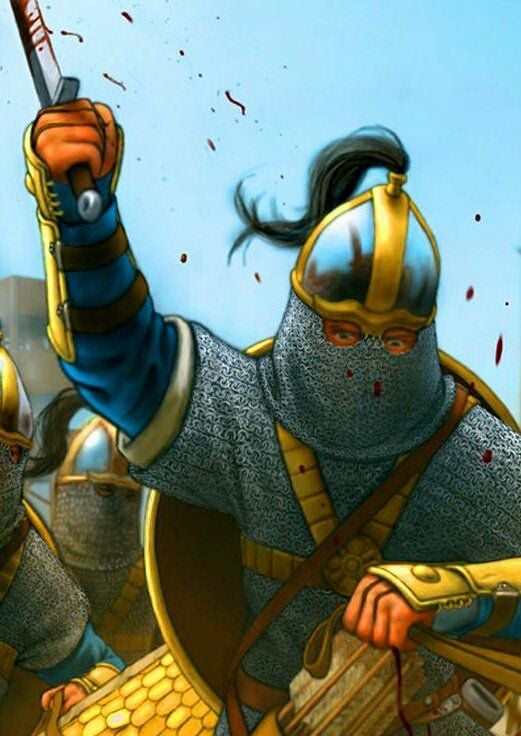
There exists a poem foretelling the coming of the marvelous king Vahrām, a savior figure of Iranian thought.
J. C. Tavadia established that it is a poem with rhyme (according to Bahar it is a verse-text with a series of twelve-syllable verses), and called it “a rhymed ballad”.
pārsīg
kay bavād kū pēg-ē āyed az Hindūgān,
kū:
«mad hān ī šāh Vahrām az dūdag ī Kayān
kē-š pīl ast hazār, abar sarān sar ast pērōzān
kē abrāstag drafš dāred ped ēvēn ī husrōgān
pēš laškar barend ped spāh-sālārān.»
mard-ē visē abāyed kirdan, zīrag targumān,
kē šaved, bē gōbed ped Hindūgān
kū: amāh cē dīd az dašt ī Tāzīgān;
abar ēk grōh dēn nizār kird, bē ōzad šāhān
šāh ī amah ud harv kē ēr, avēšān
cōn dēv dēn dārend, cōn sag xvarend nān;
bē stad hend pādixšāyīh az husrōgān,
nē ped hunar, nē ped mardīh,
bē ped afsōs ud riyahrīh bē stad hend;
gīrend ped stahm az mardōmān
zan ud xvāstagīhā ī šīrēn, bāv ud bōyestān;
gizīdag abar nihād hend, bē baxt hend abar sarān;
abāz harāg xvāst hend, sāg ī grān;
bē niger kū cand vad abgand hān druz ped ēn gēhān
kū nēst vattar az ōy vad ped ēn gēhān.
az amāh bē āyed hān šāh Vahrām
ī varzāvand az dūdag ī Kayān:
bē āvarem kēn ī tāzīgān
cōn Rustahm āvurd sad kēn ī Syāvaxšān!
mazgidīhā frōd hilem, bē nišāyem ātaxšān!
uzdēszārīhā bē abganem ud pāk kunem az gēhān
dā vinī šavend druz višūdagān az ēn gēhān!
frazaft ped drūd, šādīh ud rāmišn
English
When will it be that a courier comes from India,
saying that:
“King Vahrām of the Kavi family has come,
Having a thousand elephants, being chief upon chiefs [and]
victor,
victor,
Having a raised banner, in the manner of the Husrav (Persian Kings)
Bearing it before the army like generals?”
A man should be dispatched, a clever interpreter,
Who may go and tell to India,
What we have seen from a group [coming] from the Arabian
plain
plain
[Who] weakened the religion and killed our king of
Kings, and he who (was) Aryan.
Kings, and he who (was) Aryan.
They hold the religion as Demons, and eat food like dogs.
They have taken away the sovereignty from the renowned
(Persian kings),
(Persian kings),
Not by virtue, nor by valour,
But in mockery and scorn (like demons).
By force they take away from men
Their sweet-hearts and sweet possessions, parks and gardens.
Capitation-taxes they have imposed, they have distributed them among their leaders.
They have demanded again the tribute, a heavy impost.
Consider how much evil that Lie has cast upon this world
Than which evil there is none worse in the world.
From us shall come that king Vahrām,
Of the marvellous power, from the Kavi line:
We will take revenge from the Arabs
As Rustahm brought a hundred revenge for Syāvaršan!
Their mosques we will cast down, we will set up Fire(-temples)!
Their idol-temples we will dig down and wipe out from the world
So that shall get lost the spawn of the Lie from this world!
Finished in peace and joy and pleasure
فارسی
کی بُود که پیکی آید از هندوان
کآمد آن شاه بهرام از دودۀ کیان
کهش پیل است هزار، بر سراسرشان است پیلبان
کآراسته دارد درفش، به آیینِ خسروان
که پیشِ لشکر برند سپهسالاران
مردی گسیل باید کردن، زیرک ترجمان
که شود، بگوید به هندوان
که ما چه دیدیم از دشتِ (/دستِ) تازیان؛
با یک دروغ دین نزار کردند، بیاوژدند شاهان
.شاه ما و هر که ایر بود ایشان
چون دیو دین دارند، چون سگ خورند نان
بستدند پادشاهی از خسروان
نه به هنر، نه به مردی
که به فسوس و ریشخندی؛
گیرند به ستم از مردمان
.زن و خواستۀ شیرین، باغ و بوستان
جزیت بر نهادند، بخشش کردند بر سران؛
باز خراج خواستند، ساوِ گران؛
بنگر که چند بَدی افگند آن دروج بدین جهان
که نیست بدتر از اوی بد اندرین جهان
: از ما بیاید آن شاه بهرامِ ورجاوند از دودۀ کیان
بیاوریم کینِ تازیان
چون رستم کآورد سد کینِ سیاوشان؛
مسجدان فرو هلیم، بنشانیم آتشان
بتخانهها بکَنیم و پاک کنیم از جهان
تا گم شوند دروجزادگان ازین جهان
فرجفت به درود، شادی و رامش
There exists another text concerning the coming of King Vahrām. In fact, his compiler has interpolated some glosses in the original (above) text. Edgar Blochet found it in a manuscript which once before was at his disposal. Another copy is found in the manuscript R 591 (K.R. Cama Oriental Institute, Mumbai), 49v-50v.
pārsīg
kay bavād ka pēg-ē āyed az Hindūgān, kū:
“āyed hān ī šāh Vahrām az Hindūgān,
kē-š pīl ast hazār, abar sarān sar ast ˟pērōzān
kē abrāstag drafš dāred ped ēvēn ī šahryārān
pēš spāh abar bared ×ped spāhsālārān?”
kē-š pīl ast hazār, abar sarān sar ast ˟pērōzān
kē abrāstag drafš dāred ped ēvēn ī šahryārān
pēš spāh abar bared ×ped spāhsālārān?”
mard-ē visē abāyed kirdan dānāg ud ušumand,
kē šaved bē ō Hindūgān
gōbed kū amāh cē dīd;
šahriyārān ī amāh abāg tāzīgān ud turkān ud Hrōm ud Cīnestān ud dēvān ī māzanīgān kārezār abar burd hend kē avēšān az stōbīh dēn ī veh ud abēzag ud peristišn ī yazdān amehrspendān ud ātaš-iz suxr sōzāg pedīrift hend, ud az zamān ī anōšag-ruvān Zardušt Spitāmān dēn ī abēzag dā hazār sāl ravāgīh ayāft. ud nūn-z tāzīgān ī muškxvār kē xōg ud xēm ī mār dārend,
ceōn sag xvarend nān
bē stad hend pādixšāyīh az husrōgān (husravān)
nē ped hunar ud mardīh, nē ped zōr ī xrad
bē ped afsōs ud anēvēn bē stad hend.
cē ēc kas ped ēn ēvēn ped stamb nē stad ēsted.
ceōn dēv kēš dārend ud dēv-pēšag kē dād ī abārōn ud vattarīh ped
gēhān āškārdar, ud vehīh ud dād ī frārōn azēr zamīg nihān kird hend. ud ped kār ī vināhgārīh cēr, dōšārm ped vināhgārān vēš kunend. ud bīm ī dušox ud pādifrāh andar dil nē dārend. ud rūspīgīh ud rūspīgbāragīh andar avēšān vēš ast. ud dēn ī abēzag ud kār ud kirbag ud dād xvār nigerend. guftārīh ud kēnmenišnīh ud afsōs ud riyahrīh ud stamb(ag)īh āškār(ag) būd est. amāh ped umēd ī madan ī Varhrām ī amāvand ped stahm ud bēš ī avēšān hunsandīh abar barem, kē ped hān zamān ped nērōg ud ayyārīh ī Ohrmazd ud amehrspendān hamāg dēndušmenān vadmenišnān ud uzdēsperistān az bun bē abganem (kanem); ud hamāg gēhān az vattarīh ud uzdēsperistīh pāk bē baved; ud dēn ī abēzag ud rāstīh ud frārōnīh ravāg baved. ped kāmag ī yazdān!
gēhān āškārdar, ud vehīh ud dād ī frārōn azēr zamīg nihān kird hend. ud ped kār ī vināhgārīh cēr, dōšārm ped vināhgārān vēš kunend. ud bīm ī dušox ud pādifrāh andar dil nē dārend. ud rūspīgīh ud rūspīgbāragīh andar avēšān vēš ast. ud dēn ī abēzag ud kār ud kirbag ud dād xvār nigerend. guftārīh ud kēnmenišnīh ud afsōs ud riyahrīh ud stamb(ag)īh āškār(ag) būd est. amāh ped umēd ī madan ī Varhrām ī amāvand ped stahm ud bēš ī avēšān hunsandīh abar barem, kē ped hān zamān ped nērōg ud ayyārīh ī Ohrmazd ud amehrspendān hamāg dēndušmenān vadmenišnān ud uzdēsperistān az bun bē abganem (kanem); ud hamāg gēhān az vattarīh ud uzdēsperistīh pāk bē baved; ud dēn ī abēzag ud rāstīh ud frārōnīh ravāg baved. ped kāmag ī yazdān!
frazaft.
English
When will it be that a courier will come from India, (To say) that:
“That king Vahrām is coming from India.
He has a thousand elephants, and is chief upon chiefs [and] victor,
He has a raised banner, in the manner of the kings,
and bears it before the army like generals?”
He has a thousand elephants, and is chief upon chiefs [and] victor,
He has a raised banner, in the manner of the kings,
and bears it before the army like generals?”
A man should be dispatched, a wise and intelligent one,
who may go and tell to India,
what we have experienced.
Our kings made battles with the Arabs and Turks, against “Rome” and China, and with the giant demons; and [the enemies], defeated, accepted the good and pure Religion, the worship of the Yazata and Holy Immortals and that of the red and burning Fire. And from the time of the immortal-souled Zaraθuštra of Spitāma the pure Religion was prevailed for one thousand years. But now the Arabs, these eaters of rats, [have come], they have the temperament and character of the serpents,
and eat the food like the dogs.
They have taken away the sovereignty from the Persian kings,
not by virtue or valour, not by force of wisdom,
but in scorn and unlawfully, they have taken it away.
For nobody before had taken it away with such brutality.
They follow the teaching of the demons, and they themselves [are] demonic. They spread the Evil and unjust Law in the world, and they hide the Good and the just Law. They are adroit in sinfulness. They approve more the criminals. They do not have the fear of hell or punishment in their heart. Prostitution and whoring are current among them. They despise the pure religion, good deeds and justice. The dispute and revengefulness and mockery and scorn and oppression have been spread. We [only] in the hope of the advent of Vahrām the forceful endure this oppression and persecution with contentment; [but] at the time [when he will come], with the strength and help of Ahura Mazdā and the Holy Immortals shall we eradicate all the enemies of Religion, evil-minded ones, and idol-worshippers. The world then will be totally purified from evil and idolatry; and the pure religion, righteousness and truthfulness will be propagated. Deo volente.
Finished.
 Made with Bullet