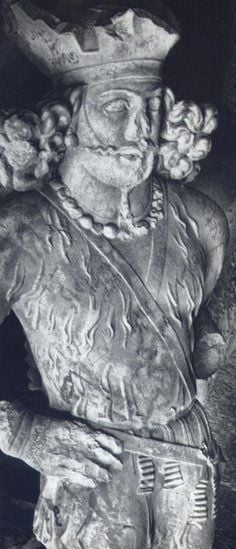
Statue of His (late) Majesty Šābuhr ī Ardaxšērān, at Shapur Cave, near Bishapur, Persis.
mādayān ī pārsīg ud pahlavānīg abāg vizārišn ī englandīg
Text in Pārsīg and Pahlavānīg with English translation
Res Gestae divi Saporis
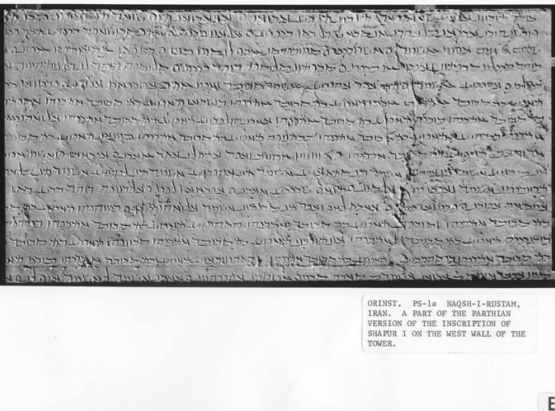
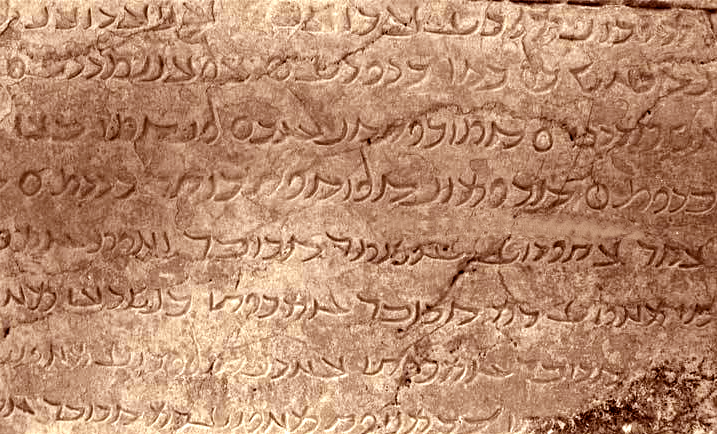
The Trilingual Inscription of Šābuhr I at Ka’aba i Zardušt (ŠKZ), also known as Res Gestae divi Saporis (RGDS), is an inscription, probably erected in 262, commissioned by the Sasanian king of kings Šābuhr ī Ardaxšērān (Šābuhr I) on the Kaʿba i Zardušt, a tower-like structure, part of the archaeological expanse of Naqš i Rustam, located a few kilometers north of Persepolis in Persis (the current province of Fars, Iran). This monumental work offers detailed informations, among other things, about the conflicts Šābuhr engaged in against the Romans.
pārsīg
an mazdesn bay Šābuhr šāhān šāh ērān ud anērān kē cihr az yazdān, pus mazdesn bay Ardaxšēr šāhān šāh ērān kē cihr az yazdān, nab bay Pābag šāh, Ērānšahr xvadāy ham. ud dāram šahr:
Pārs, Pahlav, Hūzestān, Mēšān, Āsūrestān, Nodšēragān, Arabestān, Ādurbāyagān, Armin, Viruzān, Segān, Arrān, Balāsagān, dā frāz ō Kab Kōf ud Arrānān dar, ud hamag Parišxvār Kōf, Māy, Gurgān, Marv, Harēv, ud hamag Abaršahr, Kirmān, Sagestān, Tūrestān, Makurān, Pāradān, Hindūgān, Kušānšahr, dā frāz ō Pašakbur, ud dā ō Kāš, Suvl, ud Cācestān, ud az hān ālag drayā, Mazūnšahr.
ud kunam Pērōzšābuhr nām dḥ.ḥštr, ud kunam Ohrmazdardašēr nām.
ud ēn and šahr ud šāhriyār ud pāygōspān harv amāh ped bāz ud bannagīh ēstād hend. ud ka naxvist ped šahr ēstād hem, ēg Gordyānos kēsar az hamag Hrōm, Gōt ud Germān-šahr zōr … kird, ud ō Āsūrestān abar Ērānšahr ud amāh āmad. ud ped Āsūrestān marz andar Mešīk pedēmān vazurg zambag būd. ud Gordyānos kēsar ōzad, hrōmāyīg zōr vānīd. ud hrōmāyīg Filipos kēsar kird. ud Filipos kēsar amāh ō nemastīg āmad, ud gyān xūn dēnār panzsad-hazār ō-n dād, ud ped bāz ēstād. ud amāh Mešīk az ēd kird Pērōzšābuhr nām ēstād. ud kēsar did druxt, ud ō Armin vināh kird. ud amāh abar Hrōmāyīg-šahr vihist hem, ud hrōmāyīg zōr šast-hazār andar Bēbališ ōzad. ud Āsūryā-šahr ud cē abar Āsūryā-šahr parvār būd hamag ādursuxt ud avīrān ud vardiyāz kird.
u-n grift ped hān ē jār az Hrōmāyīg-šahr diz ud šahrestān:
Anat šahrestān az parvār hāmis,
Birt Arūpān az parvār hāmis,
Birt Aspōragān az parvār hāmis,
Šūrā šahrestān az parvār hāmis,
Bēbališ šahrestān ped-dēmān az parvār hāmis,
Mambōg šahrestān az parvār hāmis,
Halab šahrestān az parvār hāmis,
Kennešrā šahrestān az parvār hāmis,
Apamiyā šahrestān az parvār hāmis,
Refaniyos šahrestān az parvār hāmis,
Zūma šahrestān az parvār hāmis,
Urnā šahrestān az parvār hāmis,
Gindaros šahrestān az parvār hāmis,
Armenāz šahrestān az parvār hāmis,
Selōkiyā šahrestān az parvār hāmis,
Andiyok šahrestān az parvār hāmis,
Kirros šahrestān az parvār hāmis,
anī Selōkiyā šahrestān az parvār hāmis,
Aleksandriyā šahrestān az parvār hāmis,
Nēkpolis šahrestān az parvār hāmis,
Sinzar šahrestān az parvār hāmis,
Hamāt šahrestān az parvār hāmis,
Ariston šahrestān az parvār hāmis,
Dikor šahrestān az parvār hāmis,
Dūrā šahrestān az parvār hāmis,
Dolox šahrestān az parvār hāmis,
Korkusyā šahrestān az parvār hāmis,
Germaniyos šahrestān az parvār hāmis,
Batnān šahrestān az parvār hāmis,
Xānar šahrestān az parvār hāmis;
ud andar Kappadukiyā, Sātal šahrestān az parvār hāmis,
Domān šahrestān az parvār hāmis,
Artangilyā šahrestān az parvār hāmis,
Sūš šahrestān az parvār hāmis,
Suvid šahrestān az parvār hāmis,
Frāt šahrestān az parvār hāmis;
hammar šahrestān az parvār sīh-ud-haft.
ud sidīg jār ka amāh abar Xarrān ud Urhā vihist hem, ud Xarrān ud Urhā parvast, ēg Valeriyānos kēsar abar amāh āmad, ud būd abāg:
az Germān-šahr, az Rešyā-šahr, az Nirkos-šahr, az Dākyā-šahr, az Pannoniyā-šahr, az Mūsyā-šahr, az Estriyā-šahr, az Espāniyā-šahr, az Afrikiyā-šahr, az Trākyā-šahr, az Butniyā-šahr, az Āsiyā-šahr, az Pamfaliyā-šahr, az Esuriyā-šahr, az Lūkunyā-šahr, az Galātenyā-šahr, az Lūkiyā-šahr, az Kilikiyā-šahr, az Kappadukiyā-šahr, az Frūgiyā-šahr, az Sūriyā-šahr, az Funikiyā-šahr, az Jehūdiyā-šahr, az Arabiyā-šahr, az Muritanyā-šahr, az Germānyā-šahr, az Rodās-šahr, az Asenyos-šahr, az Meyānrōdān-šahr, zōr haftād hazār.
ud az hān ālag Xarrān ud Urhā abāg Valeriyānos kēsar vazurg ardīg būd. u-n Valeriyānos kēsar xvad ped xvēš dast dastgrav kird; ud abārīg rbysyp ud sʾntwr ud hykmwn kē ō hān zōr sālār būd harv dastgrav kird ud bē ō Pārs ānīd hend. ud Sūriyā-šahr, ud Kilikiyā-šahr, ud Kappadukiyā-šahr ādursuxt ud avīrān ud vardiyāz kird;
ud grift hān jār az Hrōmāyīg-šahr:
Aleksandriyā ī Kat-Isos šahrestān az parvār hāmis,
Šamošād šāhrestān az parvār hāmis,
krtrʾy /Katabalā??/ šahrestān az parvār hāmis,
Aygā šahrestān az parvār hāmis,
Māmsestiyā šahrestān az parvār hāmis,
Māllos šahrestān az parvār hāmis,
Adanā šahrestān az parvār hāmis,
Tarsos šahrestān az parvār hāmis,
Agustinā šahrestān az parvār hāmis,
… šahrestān az parvār hāmis,
Zefiron šahrestān az parvār hāmis,
Sebastiyā šahrestān az parvār hāmis,
Korikos šahrestān az parvār hāmis,
Anzarbos šahrestān az parvār hāmis,
Kastābalā šahrestān az parvār hāmis,
Nerōniyās šahrestān az parvār hāmis,
Flāviyās šāhrestān az parvār hāmis,
Nēkopolis šahrestān az parvār hāmis,
Epifaniyā šahrestān az parvār hāmis,
Kēlendros šāhrestān az parvār hāmis,
Anemurin šahrestān az parvār hāmis,
Selinūs šahrestān az parvār hāmis,
Miyonpolis šahrestān az parvār hāmis,
Andiyokiyā šahrestān az parvār hāmis,
srtyʾp /Selōkyā?/ šahrestān az parvār hāmis,
Mostinopolis šahrestān az parvār hāmis,
Tuyenā šahrestān az parvār hāmis,
Kēsariyā šāhrestān az parvār hāmis,
Kōmānā šahrestān az parvār hāmis,
Kubistriyā šahrestān az parvār hāmis,
Sebastiyā šahrestān az parvār hāmis,
Bīrt šahrestān az parvār hāmis,
Rākūndiyā šahrestān az parvār hāmis,
Lārandā šahrestān az parvār hāmis,
Ikōniyā šahrestān az parvār hāmis;
hammar šahrestān az parvār hāmis sīh-u-šaš.
u-n mardōm cē az Hrōmāyīg-šahr az anērān ped ēvār ānīd. hān-an andar Ērān-šahr, andar Pārs ud Pahlav ud Hūzestān ud Āsūrestān ud anī šahr ō šahr kū amāh ud pidar ud niyāgān ud ahēnagān dastgird būd, hān-an ānōh nišāst. ud amāh anīz vas šahr xvāst, ud vas nām ud nēvīh kird ī ēdar nē nibišt, bē ēn and. az ēn kird framād nibištan kū kē pas az-an bavānd hān ēn nām ud nēvīh ud xvadāyīh ī amāh dānānd. ud pedisāy cē yazd amāh az ēd gōnag dastgird kunend, ud ped yazdān ayyārīh ēn and šahr xvāhem ud dārem, ōh amāh-iz šahr ō šahr vas ādur varhrām nišāst, ud vas muvmard kirbagīh kird, u-n vazurg yazdān vinārišn kird.
ud ēdar-z ped nibišt nišāyem:
ādur-ē Husrav-Šābuhr nām ped amāh ruvān ud pādnām,
ādur-ē Husrav-Āduranāhīd nām ped Āduranāhīd bāmbišnān bāmbišn ī amāh duxt ruvān ud pādnām,
ādur-ē Husrav-Ohrmazdardašēr nām ped Ohrmazdardašēr vazurg šāh Arminān ī amāh pus ruvān ud pādnām,
anī ādur-ē Husrav-Šābuhr nām ped Šābuhr ī Mēšān šāh ī amāh pus ruvān ud pādnām,
ādur-ē Husrav-Nersah nām ēr mazdesn Nersah šāh Hind, Sagestān ud Tūrestān dā ō drayā damb ī amā pus ruvān ud pādnām.
ud hān ī imēšān ādurān dād u-n cē ēvēn nihād, ōh-iz harv abar pādixšēr nibišt. bē az hān ākbrīd hazār ī az tarkafišn ō amāh ēvēn būd, ud amāh imēšān ādurān dād, hān framāyem kū ēv kirīyed:
ped amāh ruvān rōz ō rōz ākbrīd-ē, nān grīv-ē ud must panz, may pās cahār; ped Sāsān ī xvadāy, ud Pābag šāh, ud Šābuhr šāh ī Pābagān, ud Ardašēr šāhān šāh, ud Xvarrānzēm ī šahr bāmbišn, ud Āduranāhīd bāmbišnān bāmbišn, ud Dēnag bāmbišn, ud Varhrām Gēlān šāh, ud Šābuhr ī Mēšān šāh, ud Ohrmazdardašēr ī vazurg šāh Arminān, ud Nersah ī Sagān šāh, ud Šābuhrduxtag ī Sagān bāmbišn, ud Nersahduxt ī Sagān bāmbišn, ud Cašmag ī bāmbišn, ud Pērōz ī vispuhr, ud Mirrōd ī bānūg -Šābuhr šāhān šāh mād, ud Nersah ī vispuhr, ud Rōdduxt duxš ī Anōšag duxt, ud Varāzduxt ī Xvarrānzēm duxt, ud Staxriyād bāmbišn, ud Hormazdag ī Arminān šāh pus Hormazd, ud Hormazdag, ud Ōdābaxt, ud Varhrām, ud Šābuhr, ud Pērōz ī Mēšān šāh pusar, ud Šābuhrduxtag ī Mēšān šāh duxt, ud Ohrmazdduxtag ī Sagān šāh duxt:
ruvān ākbrīd-ē, nān grīv-ē must panz, may pās cahār. ud hān ākbrīd ī abārīg, hān dā pettūyād, andum ped avēšān ruvān kē šāhān šāh framād ruvān yaštan, ud nāmcišt ped nibišt abar stān nibišt ēsted, rōz ō rōz ākbrīd-ē, nān grīv-ē must panz, may pās cahār.
kē abar Pābag šāh būd:
Sāsān ī Ārnēkān,
Farrag ī Farragān,
Vahrāmpād ī Horagān,
Aspūrag ī Aspūragān,
Puhrag ī Mardēnagān,
Zīg ī Āyēnīg,
Šābuhr ī Vēzanagān,
Šābuhr ī Mihrbūzanagān.
kē abar Ardašēr šāhān šāh būd:
Sadārub ī Abarēnag šāh,
Ardašēr ī Marv šāh,
Ardašēr ī Kirmān šāh,
Ardašēr ī Sagān šāh,
Dēnag ī Pābag šāh mād,
Rōdag ī Ardašēr šāhān šāh mād,
Dēnag ī bāmbišnān bāmbišn ī Pābagān,
Ardašēr ī Bidaxš,
Pābag ī Hazāruft,
Dēhēn ī Varāz,
Sāsān ī Sūrēn,
Sāsān ī Andēgān xvadāy,
Pērōz ī Kārin,
Gōk ī Kārin,
Abursām ī Ardašērfarr,
Gēlmān ī Dumbāvannz,
Raxš ī Spāhbed,
Mard ī Dibīrbed,
Pābag ī Āyēnīg,
Pākcihr ī Visfarragān,
Vēfarr ī Farragān,
Mihrxvāst ī Barēsagān,
Hōmfrād ī Māyagānbed,
Dirām ī Zēnbed,
Cīrīg ī Dādvar,
Vardān ī Āxvarrbed,
Mihrag ī Tōsaragān,
Zīg ī Zabragān,
Sagbus ī Nahcīrbed,
Hudōg ī Grastbed,
Jāhēn ī Mayyār.
kē abar Šābuhr šāhān šāh būd:
Ardašēr ī Nodšēragān šāh,
Ardašēr ī Kirmān šāh,
Dēnag ī Mēšān bāmbišn dastgird Šābuhr,
Hamazāsp Viruzān šāh,
Valāš ī vispuhr ī Pābagān,
Sāsān ī vispuhr ī ped Farragān dāšt,
anī Sāsān ī vispuhr ī ped Kadōgān dāšt,
Nersah ī vispuhr ī Pērōzagān,
Nersah ī vispuhr ī Šābuhragān,
Šābuhr ī Bidaxš,
Pābag ī Hazāruft,
Pērōz ī Aspped,
Ardašēr ī Varāz,
Ardašēr ī Sūrēn,
Nersah ī Andēgān xvadāy,
Ardašēr ī Kārin,
Vehnām ī Framadār,
Frīg ī Vēandiyōgšābuhr šahrab,
Sridō ī Šāhmust,
Ardašēr ī Ardašēršnōm,
Pākcihr ī Tahmšābuhr,
Ardašēr ī Gōmān šahrab,
Cašmag ī Nēvšābuhr,
Vehnām ī Šābuhršnōm,
Tīrmihr ī Šahrgird Dizbed,
Zīg ī Āyēnīg,
Ardavān ī Dumbāvannz,
Gundfarr ī Āvgān Razmjōy ud Pābag ī Pērōzšābuhr ī Šambīdagān,
Vārzan ī Gay šahrab,
Kirdesrō ī Bidaxš,
Pābag ī Visfarragān,
Valāš ī Selōkān,
Yazdbād ī bānīgān handarzbed,
Pābag ī Šafšēlār,
Nersah ī Rind šahrab,
Tiyānag ī Ahmadān šahrab,
Gulbed ī Peristagbed,
Jōymard ī Rastagān,
Ardašēr ī Vēfarragān,
Abursām ī Šābuhr ī darīgān sālār,
Nersah ī Bardagān,
Šābuhr ī Nersahagān,
Nersah ī Grastbed,
Hormazd ī Dibīrbed pus ī Hormazd ī Dibīrbed,
Nādūg ī Zēndānīg,
Pābag ī Darbed,
Pāsfal ī Pāsfalagān,
Ādāš ī Dizbedagān,
Kirdēr ī Hērbed,
Rastag ī Vehardašēr šahrab,
Ardašēr ī Bidaxšagān,
Mihrxvāst ī Ganzvar,
Šabuhr ī Framadār,
Aštād ī Fravardag-dibīr ī Mihrān ī az Ray,
Sāsān ī Šābestān ī Sāsānagān,
Virōy ī Vāzārbed,
Ardašēr ī Nērēz šahrab,
Baydād ī Gulbedagān,
Kirdēr Ardavān,
Zurvāndād ī Bannagān,
Vinnār ī Sāsānagān,
Mānzag Šābestān,
Sāsān ī Dādvar,
Vardān ī Nāšpādagān,
Gulag ī Varāzbed:
ēvdidān, ākbrīd-ē, nān ē grīv ud panz must, may cahār pās. nūn ceōn amāh abar yazdān xīr ud kirdagān toxšem, ud yazdān dastgird hem, ud ped yazdān ayyārīh ēn and šahr xvāst ud dāšt, nām ud nēvīh kird kū kē pas amāh xvadāy bavend hān yazdān huperistādar ud hukāmagdar bavēnd kū ōy-iz yazd ēn aōn ayyār bavēnd ceōn amāh būd.
pahlavānīg
az mazdesn baγ Šābuhr šāhān šāh aryān ud anaryān kē žihr až yazdān puhr mazdesn baγ Ardaxšēr šāhān šāh aryān kē žihr až yazdān puhrēpuhr baγ Pābag šāh, Aryānxšahr xvadāy ahem. ud dārām xšahr:
Pārs, Parθav, Hūzestān, Mēšān, Āsūrestān, Nodšēragān, Arabestān, Āδarbāδagān, Armin, Viružān, Segān, Arrān, Balāsagān, yaδ frāž ō Kab Kōf ud Arrānān bar, ud hamag Perišxvār Kōf, Māδ, Virgān, Marγ, Harēv, ud hamag Abarxšahr, Kirmān, Sagestān, Tugrān (Tūrān), Makurān, Pāraδān, Hindestān, Kušānxšahr, yaδ frāž ō Pašakbur, ud yaδ ō Kāš, Suγd, ud Cācestān, ud až hō ārag zreh Mazūnxšahr.
ud karām Pērōzšābuhr nām dḥ.ḥštr, ud karām Ohrmazdardašēr nām.
ud im avend xšahr ud xšahrδār ud pāδgōspān harv amāh pad bāz ud bandagīf aveštād ahend. ud kaδ naxvišt pad xšahr aveštād ahem, Gordyānos kēsar až hamag Frōm, Gōt ud Germān-xšahr zāvar hangōsan kard, ud ō Āsūrestān abar Aryān-xšahr ud amāh āγad. ud pad Āsūrestān marz andar Mešīk paddēmān vazurg zambag būd. Gordyānos kēsar ōžad, frōmēn zāvar vinībūd. ud frōmēn Filipos kēsar kard. ud Filipos kēsar amāh ō nemastīg āγad, ud gyān guxn dēnār panjsad-hazār ō-n dāδ, pad bāz avištāδ, ud amāh Mešīk až ēd kard Pērōzšābuhr nām avištāδ. ud kēsar bid druxt, ō Armin vinās kard. ud amāh abar Frōmēn-xšahr vihišt ahem, ud frōmēn zāvar šašt-hazār andar Bēbāliš ōžad. ud Āsūriyā-xšahr ud cē abar Āsūriyā-xšahr pariβār būd hamag āδarsuxt aβīrān ud vrdiyāz kard.
ud grift pad hō ēv yāvar až Frōmēn-xšahr diz ud xšahrestān:
Anat xšahrestān aδ pariβār hamgōs,
Birt Arūpān aδ pariβār hamgōs,
Birt Aspōragān aδ pariβār hamgōs,
Šūrā xšahrestān aδ pariβār hamgōs,
Bēbāliš xšahrestān aδ pariβār hamgōs,
Mambōg xšahrestān aδ pariβār hamgōs,
Halab xšahrestān aδ pariβār hamgōs,
Kennešrā xšahrestān aδ pariβār hamgōs,
Apumiyā xšahrestān aδ pariβār hamgōs,
Refaniyos xšahrestān aδ pariβār hamgōs,
Zūmā xšahrestān aδ pariβār hamgōs,
Urnā xšahrestān aδ pariβār hamgōs,
Gindaros xšahrestān aδ pariβār hamgōs,
Armenāž xšahrestān aδ pariβār hamgōs,
Selōkiyā xšahrestān aδ pariβār hamgōs,
Andiyok xšahrestān aδ pariβār hamgōs,
Kirros xšahrestān aδ pariβār hamgōs,
anī Selōkiyā xšahrestān aδ pariβār hamgōs,
Alexsandriyā xšahrestān aδ pariβār hamgōs,
Nēkopolis xšahrestān aδ pariβār hamgōs,
Sinzar xšahrestān aδ pariβār hamgōs,
Hamāt xšahrestān aδ pariβār hamgōs,
Areston xšahrestān aδ pariβār hamgōs,
Dikor xšahrestān aδ pariβār hamgōs,
Dūrā xšahrestān aδ pariβār hamgōs,
Dōrox xšahrestān aδ pariβār. nykprwsy. hamgōs,
Kurkūsiyā xšahrestān aδ pariβār hamgōs,
Germaniyos xšahrestān aδ pariβār hamgōs,
Batnān xšahrestān aδ pariβār hamgōs,
Xānar xšahrestān aδ pariβār hamgōs;
andar Kappadukiyā, Šātar xšahrestān aδ pariβār hamgōs,
Dōmān xšahrestān aδ pariβār hamgōs,
Artangilyā xšahrestān aδ pariβār hamgōs,
Sūš xšahrestān aδ pariβār hamgōs,
Šuvid xšahrestān aδ pariβār hamgōs,
Frāt xšahrestān aδ pariβār hamgōs;
hamēsāg xšahrestān aδ pariβār hrīst-ud-haft.
ud hridīg yāvar kaδ amāh abar Xarrān ud Urhāy vihišt ahem, ud Xarrān ud Urhāy parvayād, Valeriyānos kēsar abar amāh āγad, ud būd aδ:
až Germān-xšahr, až Rešyā-xšahr, až Nirkos-xšahr, až Dākyā-xšahr, až Pannoniyā-xšahr, až Mūsyā-xšahr, až Estriyā-xšahr, až Espāniyā-xšahr, až Afrikiyā-xšahr, až Trākyā-xšahr, až Butniyā-xšahr, až Āsiyā-xšahr, až Pamfaliyā-xšahr, až Esuriyā-xšahr, až Lūkunyā-xšahr, až Galātenyā-xšahr, až Lūkiyā-xšahr, až Kilikiyā-xšahr, až Kappadukiyā-xšahr, až Frūgiyā-xšahr, až Sūriyā-šahr, až Funikiyā-xšahr, až Yūdayā-xšahr, až Arabiyā-xšahr, až Murrān-xšahr, až Germānyā-xšahr, až Rodās-xšahr, až Asenyos-xšahr, až Maδyānrōδān-xšahr, zāvar haftād-hazār.
ud až hō ārag Xarrān ud Urhāy aδ Valeriyānos kēsar vazurg raf būd. ud Valeriyānos kēsar vxad pad vxēbēh dast dastgraβ kard; ud avyādag rbysyp sʾntwr ud hykmwn kē hō zāvar sārδār būd harv dastgraβ kard ud bē ō Pārs ānīd ahend. ud Sūriyā-xšahr, ud Kilikiyā-xšahr, ud Kappadukiyā-xšahr āδarsuxt aβīrān ud vrdiyāz kard;
ud grift hō yāvar až Frōmēn-xšahr:
Alexsandriyā ī Kat-Isos xšahrestān aδ pariβār hamgōs,
Šamošād xšahrestān aδ pariβār hamgōs,
Katabalā xšahrestān aδ pariβār hamgōs,
Aygā xšahrestān aδ pariβār hamgōs,
Māmsestiyā xšahrestān aδ pariβār hamgōs,
Māllos xšahrestān aδ pariβār hamgōs,
Adanā xšahrestān aδ pariβār hamgōs,
Tarsos xšahrestān aδ pariβār hamgōs,
Agustinā xšahrestān aδ pariβār hamgōs,
… xšahrestān aδ pariβār hamgōs,
Zefiron xšahrestān aδ pariβār hamgōs,
Sebastiyā xšahrestān aδ pariβār hamgōs,
Korikos xšahrestān aδ pariβār hamgōs,
Angripos xšahrestān aδ pariβār hamgōs,
Kastābalā xšahrestān aδ pariβār hamgōs,
Nerōniyās xšahrestān aδ pariβār hamgōs,
Flāviyās xšahrestān aδ pariβār hamgōs,
Nēkopolis xšahrestān aδ pariβār hamgōs,
Epifaniyā xšahrestān aδ pariβār hamgōs,
Kēlendros xšahrestān aδ pariβār hamgōs,
Anemurin xšahrestān aδ pariβār hamgōs,
Selinūs xšahrestān aδ pariβār hamgōs,
Miyonpolis xšahrestān aδ pariβār hamgōs,
Andiyokiyā xšahrestān aδ pariβār hamgōs,
Selōkyā xšahrestān aδ pariβār hamgōs,
Mostinopolis xšahrestān aδ pariβār hamgōs,
Tuyenā xšahrestān aδ pariβār hamgōs,
Kēsariyā xšahrestān aδ pariβār hamgōs,
Kōmānā xšahrestān aδ pariβār hamgōs,
Kubistriyā xšahrestān aδ pariβār hamgōs,
Sebastiyā xšahrestān aδ pariβār hamgōs,
Bīrt xšahrestān aδ pariβār hamgōs,
Rākūndiyā xšahrestān aδ pariβār hamgōs,
Lārandā xšahrestān aδ pariβār hamgōs,
Ikōniyā xšahrestān aδ pariβār hamgōs;
hamēsāg xšahrestān aδ pariβār hamgōs hrīst-ud-švah.
ud mardōhmag cē až Frōmēn-xšahr až anaryān pad āvār ānīd. andar Aryān-xšahr, andar Pārs, Parθav, Hūzestān, Āsūrestān ud anī xšahr ō xšahr kū amāh ud pidar ud niyāgān ud hasēnagān dastgird būd, oδ nišāst. ud amāh anīž vas xšahrvxāšt, ud vas nām ud nēvīf kard, cē ēdar nē nibišt, bēž ēd avend. až ēd kard aβdišt nibištan kū kē paš až-an bavānd im nām ud nēvīf ud xvadāyīf cē amāh zānānd. ud lqbl kaδ kū yazd amāh až ēd gōnag dast dastegird karend, ud pad yazdān pušt im avend xšahr vxāzām ud dārām, ōh amāh-iž xšahr ō xšahr vas āδar varhrān nišāst, ud vas muγmard kirbagīf kard, ud vazurg yazdān vinārišn kard.
ud ēdar-ž pad nibišt nišāδām:
āδar ēv Husrav-Šābuhr nām pad amāh arvān ud pāšnām,
āδar ēv Husrav-Āδaranāhīd nām pad Āδaranāhīd bāmbišnān bāmbišn amāh duxt arvān ud pāšnām,
āδar ēv Husrav-Ohrmazdardašēr nām pad Ohrmazdardašēr vazurg šāh Arminān amāh puhr arvān ud pāšnām,
anī āδar ēv Husrav-Šābuhr nām pad Šābuhr Mēšān šāh ī amāh puhr arvān ud pāšnām,
āδar ēv Husrav-Narīsaf nām ary mazdezn Narīsaf šāh Hind, Sagestān ud Tugrestān yaδ ō zreh zamb amāh puhr arvān ud pāšnām.
ud hō cē imīn āδarān dahām ud cē aβδēn avištād, ōh-iž harv abar pādixšēr nibišt. ud až hō ākbrīd hazār cē až tarkafišn ō-n aβδēn būd, ud amāh imīn āδarān dād, hō aβδēsām kū hēb karīhed:
pad amāh arvān rōž ō rōž ākbrīd ēv, naγn ēv grīv ud panj mušt, maδ cafār pās; pad Sāsān xvadāy, ud Pābag šāh, ud Šābuhr šāh Pābagān, ud Ardašēr šāhān šāh, ud Xvarrānzēm xšahr bāmbišn, Āδaranāhīd bāmbišnān bāmbišn, ud Dēnag bāmbišn, Varehrām Gēlān šāh, Šābuhr Mēšān šāh, Ohrmazdardašēr vazurg šāh Arminān, Narīsaf Sagān šāh, Šābuhrduxtag Sagān bāmbišn, Cašmag ī bāmbišn, ud Paryōz vispuhr, ud Mirrōd bānūg -Šābuhr šāhān šāh mād, Narīsaf vispuhr, Rōdduxt duxš Anōšag duxt, Varāzduxt -Xvarrānzēm duxt, Estaxriyād bāmbišn, ud Ohrmazdag Arminān šāh pus Ohrmazd, ud Ohrmazdag, Ōdābaxt, ud Varehrām, Šābuhr, Paryōz Mēšān šāh pus, Šābuhrduxtag Mēšān šāh duxt, ud Ohrmazdduxtag Sagān šāh duxt:
arvān ākbrīd ēv, naγn ēv grīv ud panj mušt, maδ cafār pās. ud hō ākbrīd cē ōδ prtšywd (Gr. περισσεύει), yaδ pettāved, āvadīn pad havīn arvān kē amāh aβδišt arvān yaštan, ud ēdar nibišt avištend.
kē abar Pābag šāh xvadāyīf būd ahend:
Sāsān Āvarnēkān,
Farrag Farragān,
Varehrāmpād Horagān,
Aspūrag Aspūragān,
Puhrag Mardēnagān,
Zīg Nivēδpad,
Šābuhr Vēzanagān,
Šābuhr Mihrbūzanagān.
kē abar Ardašēr šāhān šāh xvadāyīf būd ahend:
Sadārub Abarēnag šāh,
Ardašēr Marγ šāh,
Ardašēr Kirmān šāh,
Ardašēr Sagān šāh,
Dēnag Pābag šāh mād,
Rōdag Ardašēr šāhān šāh mād,
Dēnag bāmbišnān bāmbišn Pābagān,
Ardašēr Bidaxš,
Pābag Hazāruft,
Dēhēn Varāz,
Sāsān Sūrēn,
Sāsān Andēgān xvadāy,
Paryōz Kārin,
Gōk Kārin,
Abursām Ardaxšērfarr,
Gēlmān Dumbāvannz,
Raxš Spāhbed,
Mard Dibīruft,
Pābag Nivēδpad,
Pāžihr Visfarragān,
Vēfarr Farragān,
Mihrxvāšt Barēsagān,
Hōmafrād Mādagānbad,
Dirān Zēnbad,
Šihrag Dādβar,
Vardān Āxvarrbad,
Mihrag Tōsaragān,
Zīg Zabragān,
Sagbus Naxšīrbad,
Hudōg Grastbad,
Zāhēn Maδagdār.
kē abar amāh xvadāyīf būd:
Ardaxšēr Nodšēragān šāh,
Ardaxšēr Kirmān šāh,
Dēnag Mēšān bāmbišn dastgird Šābuhr,
Hamazāsp Viružān šāh,
Valaγš vispuhr Pābagān,
Sāsān vispuhr pad Farragān dāšt,
anī Sāsān vispuhr cē pad Kadōgān dāšt,
Narīsaf vispuhr Paryōzagān,
Narīsaf vispuhr Šābuhragān,
Šābuhr Bidaxš,
Pābag Hazāruft,
Paryōz Asppad,
Ardaxšēr Varāz,
Ardaxšēr Sūrēn,
Narīsaf Andēgān xvadāy,
Ardaxšēr Kārin,
Vehnām Framadār,
Frīg Vēandiyōgšābuhr xšahrab,
Sridō Šāhmust,
Ardaxšēr Ardaxšērxšnōm,
Pāžihr Tahmšābuhr,
Ardaxšēr Gōmān xšahrab,
Cašmag Nēvšābuhr,
Vehnām Šābuhrxšnōm,
Tīrmihr Xšahrgard Dizbad,
Zīg Nivēδpad,
Ardaβān Dumbāvandiž,
Gundfarn Aβγgān Razmyōδ ud Pābiž Paryōzšābuhr Šunbīdagān,
Vārzan ī Gaβ xšahrab,
Kardesrav Bidaxš,
Pābag Visfarragān,
Valaγš ī Selōkān,
Yazdbād bāmbišnān handarzbed,
Pābag ī Safsērdār,
Narīsaf Rind xšahrab,
Tiyānag Ahmadān xšahrab,
Vardbad Parištagbad,
Yōδmard Rastagān,
Ardaxšēr Vēfarragān,
Abursām Šābuhr darīgān sārdār,
Narīsaf Bardagān,
Šābuhr Narīsafagān,
Narīsaf Grastbed,
Ohrmazd Dibīrbad,
Nādūg Zēndānīg,
Pābag ī Barbad,
Pāsfard Pāsfardagān,
Abdaγš Dizbadagān,
Kardēr ī Ēhrbed,
Rastag Vehardaxšēr xšahrab,
Ardaxšēr Bidaxšagān,
Mihrxvāšt ī Ganzβar,
Šabuhr Framaδār,
Arštād Mihrān pad Fravardag-dibīr,
Sāsān Šābestān Sāsānagān,
Virōδ Vāžārbad,
Ardaxšēr Nērēž xšahrab,
Baγdād ī Vardbadegān,
Kardēr Ardaβān,
Zurvāndād Bandagān,
Vinnār Sāsānegān,
Mānzag Šābestān,
Sāsān Dādβar,
Vardān Nāšpādagān,
Vardag Varāzbad:
ēv-bidān, ākbrīd ēv, naγn ēv grīv ud panj mušt, maδ cafār pās. avās cavāγōn amāh abar yazdān īr ud kardagān toxšem, ud yazdān dastgird ahem, ud pad yazdān aδyāvrīf im avend xšahr vxāšt ud dāšt, nām ud nēvīf kard hav-iž kē paš až amāh bavā ud farnaxv ahed hav-iž abar yazdānīr ud kardagān toxšed kū yazd aδyāvar bavend ud dastgird (dastgīrv?) karend.
<dastnibēg im man Ohrmazd dibīr Šērag dibīr puhr.>
English
(This translation is based on all of the three versions. for a more detailed comparative analysis of Per-Parth-Gr texts see below)
I, the Mazdayasnian Majesty Šābuhr, king of kings of Aryans and non-Aryans, who is of the ciθra of the Yazata, son of the Mazdayasnian Majesty Ardašēr, king of kings of the Aryans, who is of the ciθra of the Yazata, grandson of (His) Majesty Pābag, king, am lord of Ērānšahr.
<Description of the Kingdom (Ērānšahr)>
And I hold (under my protection these) lands:
Persis, Parthia, Xūzestān (Σουσιανή), Mēšān (Μεσηνή), Āsūrestān (Ἀσσυρίαν), Nodšēragān (Ἀδιαβηνὴ), Arabia, Āδurbāyagān (Ἀτροπατηνή), Armenia, Viruzān (Georgia, Ἰβηρία), Segān (Μαχελονίαν, Mingrelia), Arrān (Ἀλβανίαν), Balāsagān until forward to the Kap mountains (Καύκασος) and the Alans’ gate, and all the Parišxvār mountain chain (Alburz), Māh (Media, Μηδία), Gurgān (Ὑρκανία), Marv (Μαργιανή), Harēv (Ἄρεια, Herāt), and all the upper lands (Abaršahr), Kirmān (Karmāna, Καρμανία), Sagestān (Σακαστανή), Tūrān, Makurān (/Mukrān), Pāradān (Παραδηνή), Hindustān (India), and the Kušān-land until forward to Pašakbur (Puruṣapura, Pēšāwar), and up to Kāš (Κασία χώρα, Kāshgar), Suγd (Σογδιανή), and Cācestān (Tashkent), and on the other side of the sea the Mazūn-land (Oman). And we have given [to a city] the name Pērōzšābuhr (Anbār), and we have given the name Ohrmazdardašēr (to another city). And these many lands, land rulers and district governors, all have become tributary and subject to us.
<The account of the war between the Persians and the Roman empire>
<First Campaign>
And, when at first we were established over the kingdom, Gordian Caesar assembled from all of the Roman, Goth and German lands a military force and marched on Āsūrestān against Ērānšahr and against us. And on the border of Āsūrestān at Mešīk (Μησιχη), a great frontal battle took place. Gordian Caesar was killed. We destroyed the Roman military force. And the Romans made Philip Caesar. And Philip Caesar came to terms to us, and, as ransom for the life, he gave us 500000 denars, and became tributary to us. And for this reason we gave the name Pērōzšābuhr (‘victorious Šābuhr’) to Mešīk.
<Second Campaign>
And (Philip) Caesar lied again, and did wrong to Armenia. Then we set out for the Roman Empire, and at Bēbališ (Βαρβαλισσόν, Bālis) we annihilated a Roman army of 60000. And the Āsūryā-land (Syria) the environs of the Āsūryā-land we all burned with fire, ruined and plundered. And on this one occasion (Gr. ἀγωγή) we took of the Roman Empire forts and towns:
The town of Anat (Ἀναθαν, ʿĀna) with surroundings;
Birt-Arūpān with surroundings;
Birt-Aspōragān (Βίρθαν Ἀσπωράκου) with surroundings;
the town of Šūrā (Σοῦραν) with surroundings;
the town of Bēbališ with surroundings;
the town of Mambōg (Ἱεράπολιν, Manbij) with surroundings;
the town of Halab (Βέρροιαν, Ḥaleb) with surroundings;
the town of Kennešrā (Χαλκίδα, Qinnasrīn) with surroundings;
the town of Apamiyā (Ἀπάμιαν) with surroundings;
the town of Refaniyos (Ῥεφανέαν, Rafaniyya) with surroundings;
the town of Zūma (Ζεῦγμα) with surroundings;
the town of Urnā (Οὔριμα) with surroundings;
the town of Gindaros (Γίνδαρον) with surroundings;
the town of Armenāz (Λαρμέναζα) with surroundings;
the town of Selōkiyā (Σελεύκιαν) with surroundings;
the town of Andiyok (Ἀντιόχιαν, Anṭākiya) with surroundings;
the town of Kirros (Κύρρον) with surroundings;
another town of Selōkiyā with surroundings;
the town of Aleksandriyā (Ἀλεξάνδριαν) with surroundings;
the town of Nēkpolis (Νεικόπολιν, Iṣlāḥiye) with surroundings;
the town of Sinzar (Σίνζαρα, Λάρισσα, Šaijar) with surroundings;
the town of Hamāt (Χαμαθ, Ḥamā) with surroundings;
the town of Ariston (Ἀριστην, Rastan) with surroundings;
the town of Dikor (Διχωρ) with surroundings;
the town of Dūrā (Δοῦραν, Ṣaliḥīye) with surroundings;
the town of Dolox (Δολίχην, Dülük) with surroundings;
the town of Korkusyā (Κορκουσίωνα) with surroundings;
the town of Germaniyos (Γερμανείκιαν, Kahramanmaraş, ܡܪܥܫ) with surroundings;
the town of Batnān (Βάτναν, ܒܛܢܢ) with surroundings;
the town of Xānar (Χαναρ) with surroundings;
and in Cappadocia: the town of Sātal (Σάταλα) with surroundings;
the town of Domān (Δόμαν) with surroundings;
the town of Artangilyā (Ἀρτανγιλαν) with surroundings;
the town of Sūš (Σουισαν) with surroundings;
the town of Suvid (Σουιδ) with surroundings;
the town of Frāt (Φρέατα) with surroundings
—a total of 37 towns with surroundings.
<Third Campaign>
And on the third occasion, when we set out for Carrhae (Xarrān, Κάρραι, Ḥarrān) and Edessa (Urhā, Ἔδεσσα, Urfa), and were besieging Xarrān and Urhā, Valerian Caesar marched against us, and he had had with him, from Germany (Germān-land), Raetia (Rešyāland), Noricum (Nirkos-land), Dacia (Dākyā-land), Moesia (Mūsyāland), Istria (Estriyā-land), Spain (Espāniyā-land), Africa (Afrikiyāland), Thracia (Trākyā-land), Bihynia (Butniyā-land), Asia (Āsialand), Pamphylia (Pamfaliyā-land), Isauria (Esuriyā-land), Lycaonia (Lūkunyā-land), Galatia (Galātenyā-land), Cilicia (Kilikiyā-land), Cappadocia (Kappadukiyā-land), Phrygia (Frūgiyā-land), Syria (Sūriyā-land), Phoenicia (Funikiyā-land), Judaea (Jehūdiyā-land), Arabia (Arabiyā-land), Mauretania (Murin-land), Germania (Germānyā-šahr), Rhodos (Rodās-šahr), Osrhoene (Asenyos-šahr), and Mesopotamia (Meyānrōdān-land) an army of 70000 men.
And on that side of Carrhae and Edessa with Valerian Caesar a great battle took place. And we made captive Valerian Caesar with our hands. And the others, the praetorian prefect, and senators and commanders who were chiefs of that army, all were captured and deported to Persis. And Syria and Cilicia and Cappadocia were burned with fire, ruined and plundered.
This time we seized from the Roman Empire:
The town of Alexandria on the Issus (Ἀλεξάνδριαν τὴν κατ’ Ἰσόν) with surroundings;
the town of Samosata (Šamošād) with surroundings,
the town of Katabolos (Parth. krtrʾy) with surroundings;
the town of Aegaea (Aygā, Αἰγέαν, Ayas) with surroundings;
the town of Mopsuestia (Māmsestiyā, Μομψουεστίαν, Mamistra) with surroundings;
the town of Mallos (Μαλλός) with surroundings;
the town of Adana (Ἄδανα) with surroundings;
the town of Tarsus (Ταρσόν) with surroundings;
the town of Augusta (Agustinā, Augustopolis) with surroundings;
the town of … with surroundings;
the town of Zephyrion (Zefiron, Ζεφύριον, Mersin) with surroundings;
the town of Sebaste (Sebastiyā, Σεβαστήν) with surroundings;
the town of Korykos (Κώρυκον, Kız Kalesi) with surroundings;
the town of Anazarbus (Ἀγριππιάδα, Anavarza) with surroundings;
the town of Castabala (Καστάβαλα) with surroundings;
the town of Neronias (Νερωνιάδα) with surroundings;
the town of Flavias (Φλαυιάδα) with surroundings;
the town of Nikopolis (Νεικόπολιν) with surroundings;
the town of Epiphania (Ἐπιφάνια) with surroundings;
the town of Kelenderis (Κελενδερίν, Aydıncık) with surroundings;
the town of Anemuri(o)n (Ἀνεμούριον, Anamur) with surroundings;
the town of Selinus (Σελινοῦν) with surroundings;
the town of Miyonpolis (Μυῶν; Μυωνία) with surroundings;
the town of Antioch (Andiyokiyā, Ἀντιόχιαν) with surroundings;
the town of Seleucia (Parth. srtyʾp) with surroundings;
the town of Dometiu-polis (Δομετίου πόλιν, Parth. mwstynprws) with surroundings;
the town of Tuyana (Τύανα) with surroundings;
the town of Caesarea (Kēsariyā, Μηιακαριρη) with surroundings;
the town of Comana (Κόμανα, Şar) with surroundings;
the town of Kybistra (Κύβιστρα) with surroundings;
the town of Sebasteia (Σεβάστιαν, Sivas) with surroundings;
the town of Birtha (Βίρθαν) with surroundings;
the town of Rhakundia (Ῥακουνδιαν) with surroundings;
the town of Laranda (Λάρανδα, Karaman) with surroundings;
the town of Iconium (Ίκόνιν, Konya) with surroundings
—altogether all these towns with their surroundings .
And people who are of the Roman Empire, of non-Aryans, captive we deported. In Ērānšahr in Persis, Parthia, Xūzestān (Susiane), Āsūrestān, and in any other land where our own and our fathers’ and our grandfathers’ and our ancestors’ estates were, there we settled them.
We searched out many other lands, and we did many fame(-worthy) and heroic deeds, which we have not written here, these many things (we have written before). We commanded to be written for this reason that whosoever will be after us may know this fame, heroism and kingship of us.
<The deed of settlement>
<Victorious Fires>
Then, for this reason, that the Yazata have thus made us their “protégé”, and with the help of the Yazata we search out and take these so many lands, therefore we too in every land have founded many Victorious Fires, and have conferred benefices upon many Magi-men, and (as for the cult of) the great Yazata we established it well.
And here also, by the inscription we have founded:
One Fire, Husrō-Šābuhr by name for our soul and to preserve our name;
one Fire, Husrō-Āduranāhīd by name, for the soul of our daughter Āduranāhīd, queen of queens, and to preserve her name;
one Fire, Husrō-Ohrmazdardašēr by name, for the soul of our son Ohrmazdardašēr, great king of Armenia, and to preserve his name;
another one Fire, Husrō-Šābuhr by name, for the soul of our son Šābuhr, king of Mesene, and to preserve his name;
one Fire, Husrō-Narsē by name, for the soul of our son the Aryan, the Mazdayasnian Narsē, king of India, Sakestān and Turān to the seashore, and to preserve his name.
<Funds for the maintenance of the Fires>
And that which we have donated to these Fires, and which we have established as a custom, thus also all we have written upon a deed of settlement. Of those 1000 lambs, of which custom reserves for us the surplus, and which we have donated to these Fires, we have ordered to be done as follows:
For our soul each day one lamb, one grīv (= 1 modius) and five handfuls (= ½ modius) of bread, and four pās of wine.
Sāsān the lord; and Pābag the king; and Šābuhr the king, son of Pābag; and Ardašēr, king of kings; and Xvarrānzēm, queen of the kingdom; and Āduranāhīd, queen of queens; and Dēnag, the queen; and Vahrām, king of Gēlān; and Šābuhr, king of Mesene; and Ohrmazdardašēr, great king of Armenia; and Narsē, king of Sakestān; and Šābuhrduxtag, queen of Sakestān; and Narsēduxt, queen of Sakestān; and Cašmag, the (royal) lady; and Pērōz, the (royal) prince; and Mirrōd, the lady, mother of king of kings Šābuhr; and Narsē, the prince; and Rōdduxt, the princess, daughter of Anōšag; and Varāzduxt, daughter of Xvarrānzēm; and Staxriyād, the queen; and Hormazdag, son of the king of Armenia, Hormazd; and Ōdābaxt, and Vahrām, and Šābuhr, and Pērōz, sons of the king of Mesene; and Šābuhrduxtag, daughter of the king of Mesene; Ohrmazdduxtag, daughter of the king of Sakestān –for their soul (each day) one lamb, one grīv and five handfuls of bread, and four pās of wine.
And the other lambs which remain, as long as there is enough left, for the souls of those persons whose souls we (king of kings) have ordered to perform the Yasna-ritual, and in particular it is mentioned <by name> in writing (and listed) in the inscription on the monument, day by day, one lamb, one grīv and five handfuls of bread, and four pās of wine.
Those who lived under the rule of Pābag the king:
Sāsān son of Ārnēk;
Farrag son of Farrag;
Vahrāmpād son of Horag;
Aspūrag son of Aspūrag;
Puhrag son of Mardēnag;
Zīg, master of ceremonies;
Šābuhr son of Vēzan(ag);
Šābuhr son of Mihrbūzan(ag).
Those who lived under the rule of Ardašēr the king of kings:
Sadārub, king of Abarēnag;
Ardašēr, king of Marv;
Ardašēr, king of Kirmān;
Ardašēr, king of Sakestān;
Dēnag, mother of Pābag the king;
Rōdag, mother of Ardašēr the king of kings;
Dēnag, queen of queens, daughter of Pābag;
Ardašēr the bidaxš (‘second after the king’, viceroy);
Pābag the hazāruft (‘chief of a thousand men’, chiliarch);
Dēhēn of the family Varāz;
Sāsān of the family Sūrēn;
Sāsān, lord of Andēgān;
Pērōz of the family Kārin;
Gōk of the family Kārin;
Abursām of the family Ardašērfarr;
Gēlmān from Dumbāvand;
Raxš, the army chief;
Mard, chief of scribes;
Pābag, master of ceremonies;
Pākcihr, son of Visfarr(ag);
Vēfarr son of Farrag;
Mihrxvāst son of Barēsag;
Hōmfrād, the māyagānbed (‘chief of the royal guard’?);
Dirām, chief of the armory;
Cīrīg, the (chief) judge;
Vardān, chief of (royal) stables;
Mihrag son of Tōsar;
Zīg son of Zabr(ag);
Sagbus, in charge of hunt;
Hudōg, the chief steward;
Jāhēn, the (chief) wine-keeper.
Those who live under the rule of Šābuhr, king of kings:
Ardašēr, king of Nodšēragān (Adiabene);
Ardašēr, king of Kirmān;
Dēnag, queen of Mesene, “protégée” of Šābuhr;
Hamazāsp, king of Viruz (Georgia);
Valāš, royal prince, son of Pābag;
Sāsān, royal prince, who was maintained by the Kadōg family;
Narsē, royal prince, son of Pērōz;
Narsē, royal prince, son of Šābuhr;
Šābuhr, the bidaxš;
Pābag, the hazāruft;
Pērōz, chief of cavalry;
Ardašēr of the family Varāz;
Ardašēr of the family Sūrēn;
Narsē, lord of Andēgān;
Ardašēr of the family Kārin;
Vehnām, the framadār (‘governor’);
Frīg, Satrap of Gundīšābuhr;
Srīdō šāhmust;
Ardašēr ardašēršnōm;
Pākcihr tahmšābuhr;
Ardašēr, satrap of Gōmān;
Cašmag nēvšābuhr;
Vehnām šābuhršnōm;
Tīrmihr, chief of fortress of Šahrgird;
Zīg, master of ceremonies;
Ardavān, of Dumbāvand;
Gundfarr avgān razmjōy (‘who seeks combat’, combatant) and Pābag pērōzšābuhr son of Šambīd;
Vārzan, satrap of Gay;
Kirdesrō, the bidaxš;
Pābag, son of Visfarr;
Valāš, son of Seleucus;
Yazdbād, counselor of ladies (queens);
Pābag, the swordbearer;
Narsē, satrap of Rind;
Tiyānag, satrap of Ahmadān;
Gulbed (Vardbed), the peristagbed (‘chief of services’, majordomo);
Jōymard son of Rastag;
Ardašēr son of Vēfarr;
Abursām of the family Šābuhr, chief of court-personnel;
Narsē son of Barrag;
Šābuhr son of Narsē;
Narsē, the chief steward;
Hormazd, the chief scribe, (son of Hormazd, the chief scribe);
Nādūg, the zēndānīg (‘prison governor, jailer’);
Pābag, the darbed (‘master of the gate’);
Pāsfal son of Pāsfal;
Abdaxš son of Dizbed;
Kidēr, the teaching priest (Magus);
Rastag, satrap of Vehardašēr;
Ardašēr son of Bidaxš;
Mihrxvāst, the treasurer;
Šābuhr, the governor;
Aštād of the family Mihrān, the secretary (scribe of epistles), from Ray;
Sāsān, the šābestan (‘harem-ward,eunuch’), son of Sāsān;
Virōy, the vāzārbed (‘supervisor of markets’, market inspectorate);
Ardašēr, satrap of Nērēz;
Bagdād son of Vardbed;
Kirdēr ardavān;
Zurvāndād son of Bandag;
Gunnār son of Sāsān;
(Mānzag the eunuch);
Sāsān, the judge;
Vardān, son of Nāšpād;
Gulag, the varāzbed (‘chief of boars’)
<–altogether, one lamb, one grīv and five handfuls of bread, and four pās of wine.
<Conclusion>
Now, as we are diligent in the matters and services of the Yazata, as we are the dastgird (“protégé”) of the Yazata, and we sought out and took these many lands with the help of the Yazata, and we did name(-worthy) and heroic deeds,> in order that whoever after us shall become lord (fortunate) , may he become more reverent and more benevolent to the Yazata (Parth. “may he also be diligent in the matters and services of the Yazata”), so that to him also in this same manner the Yazata may be a help (Parth. adds “and make him his dastgird”), as he was to us.
<This is my handwriting, Ohrmazd, the scribe, son of Šērag, the scribe.>
Audio in Pārsīg
Audio in Pahlavānīg
Audio in Greek
 Made with Bullet