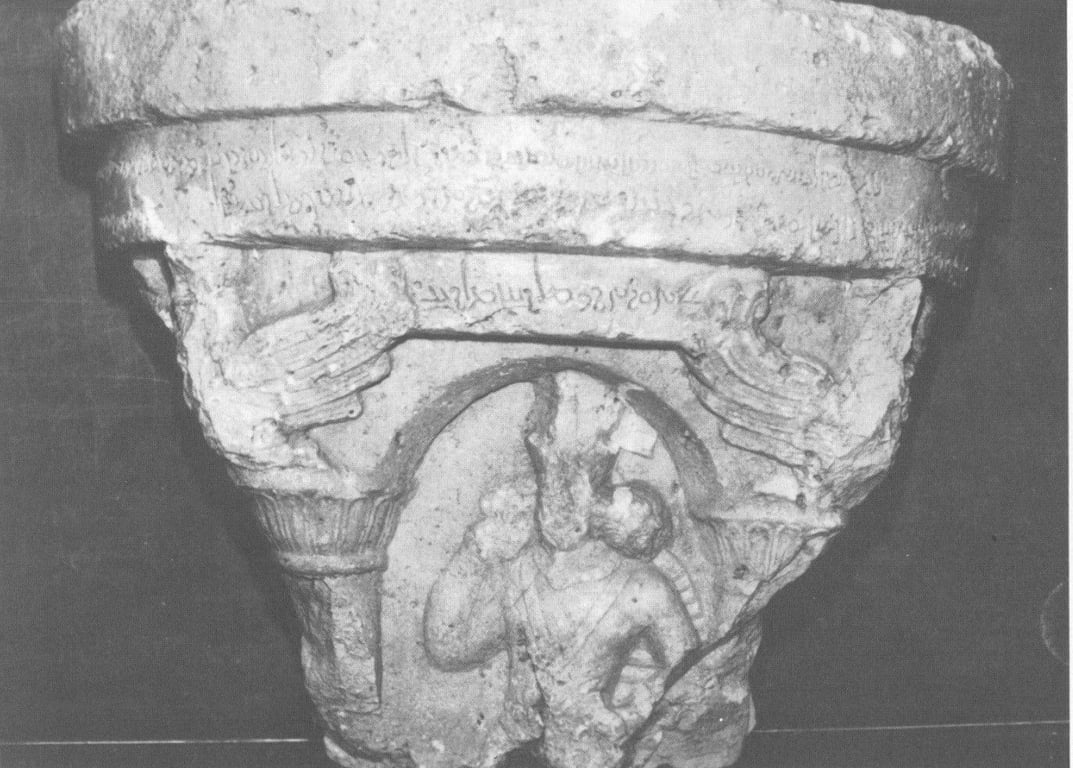
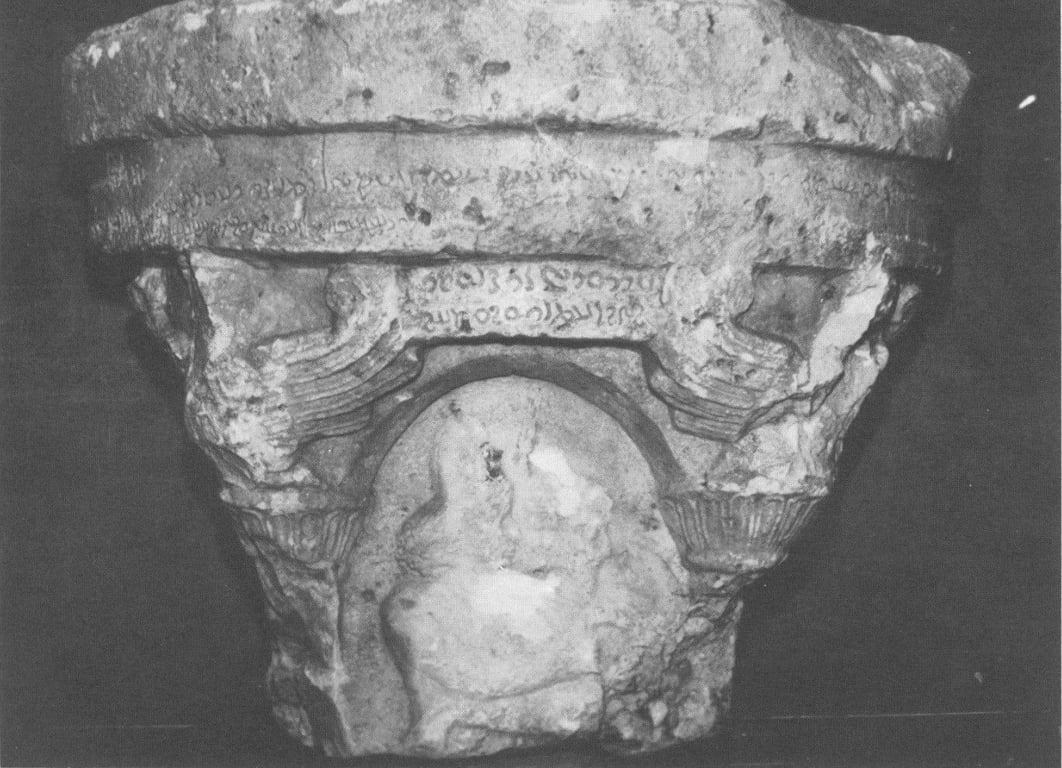
The inscription, found near Barm i Dilak (some ten kilometers east of Shiraz), was written by Abnōn, Master of ceremonies of the Šabestān, on the base of a fire alter, and dedicated on the occasion of the victory of Šābuhr over Gordian III at Misikhé. The end (death?) of Gordian is synchronised with Šābuhr’s third regnal year: Mecheir (Mḫyr) 16 corresponding to February 15, 244 A.D. The first year of Šābuhr’s reign will be in the year 242 (and according to the inscription at Šābuhr, the beginning of Šābuhr’s single reign in the summer of 243).
On all four sides of this altar, Abnōn carved human busts and inscribed four personal names and also his own name:
Ardašēr šāhān šāh
Aspiz ī darbed
Vehnām ī framadār
Šābuhr šāhān šāh
Abnōn ī ped šabestān āyēnīg
Ardašēr, King of kings
Aspiz, Minister of the Court
Vehnām, Governor
Šābuhr, King of kings
Abnōn, who is master of ceremonies in the Queen’s palace
Images from M. Tavoosi , “An Inscribed Capital Dating from the Time of Shapur I”, Bulletin of the Asia Institute, 3, 1989.
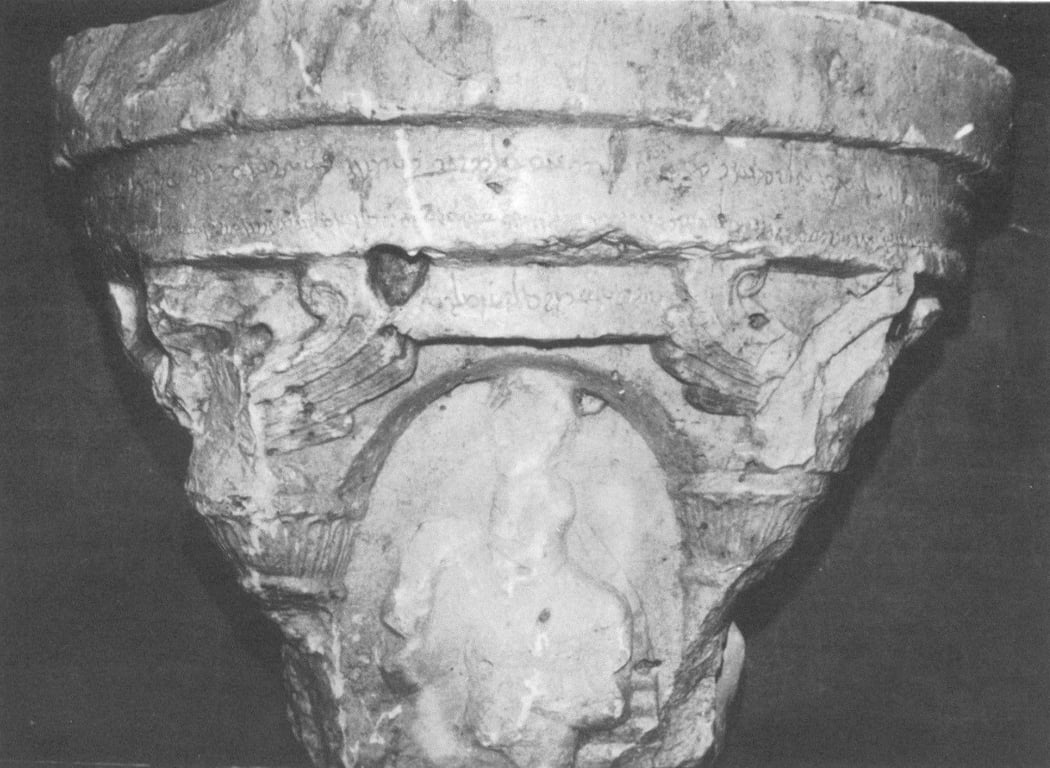
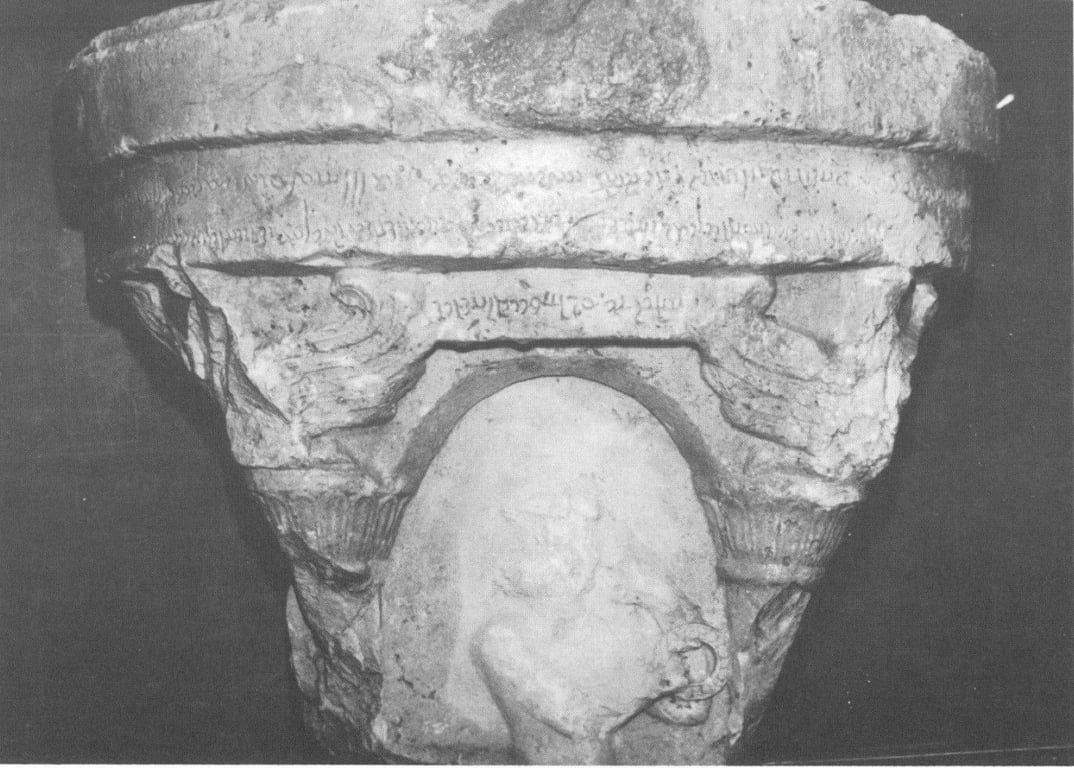
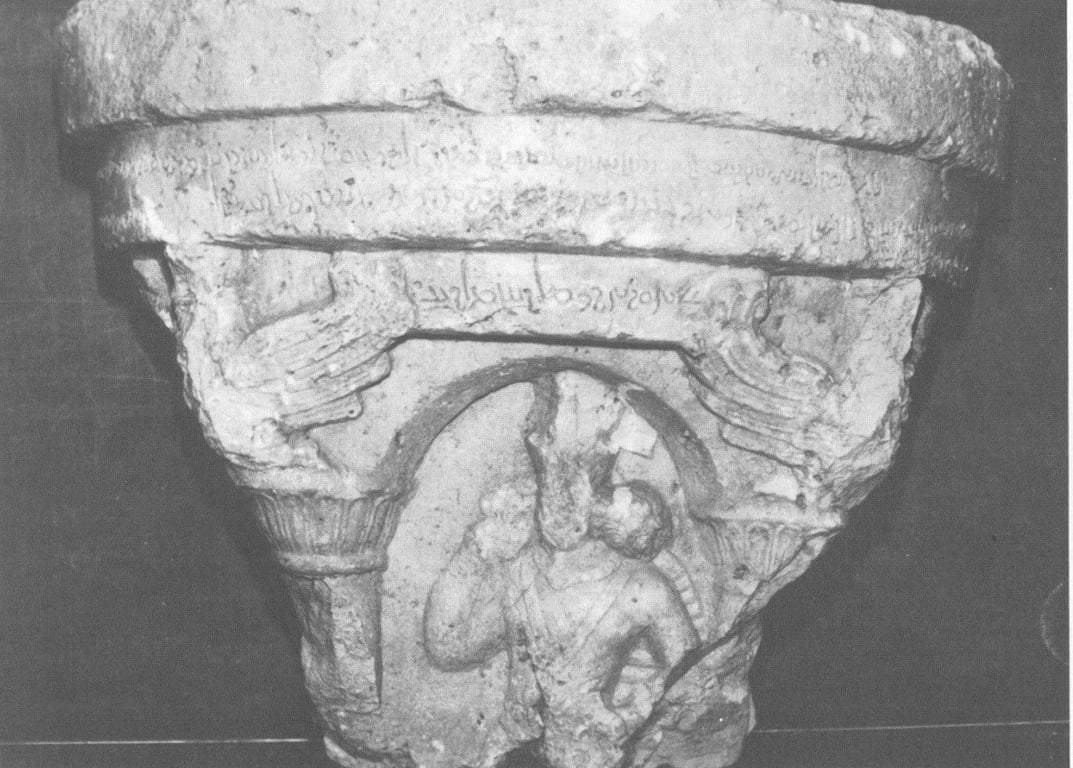
1) ēn ādurgāh Abnōn ī ped šabestān
āyēnīg framād kē kird. ud ahī
framāyēn kū-“m agar dastan hē
ēg ādur-ē ēdar nišāyān. pas
ka abar sāl sē Šā-
6) -buhr šāhān šāh ka
hrōmāy abar Pārs ud Pahlav ā-
-yend, pas an ēdar ped
Vispšād-farrdōš bavēn. pas kū ašnavēn kū hrōmāy āyend
11) pas an yazdān pāyvehēn kū
“agar Šābuhr ī šāhān šāh cēr baved
ud hrōmāyīn zaned u-šān vattar kuned dā-n
ped bannagīh ēstend ēg nixvārān dā ādur-ē ēdar
nišāyān.” pas kū ašnavēn kū hrōmāy rasīd
16) hend ud Šābuhr ī šāhān šāh zad hend u-š vattar kird hend
pas ēn ādur ēdar
nišānd u-š Panā-Šābuhr-Abnōn
nām kird
āyēnīg framād kē kird. ud ahī
framāyēn kū-“m agar dastan hē
ēg ādur-ē ēdar nišāyān. pas
ka abar sāl sē Šā-
6) -buhr šāhān šāh ka
hrōmāy abar Pārs ud Pahlav ā-
-yend, pas an ēdar ped
Vispšād-farrdōš bavēn. pas kū ašnavēn kū hrōmāy āyend
11) pas an yazdān pāyvehēn kū
“agar Šābuhr ī šāhān šāh cēr baved
ud hrōmāyīn zaned u-šān vattar kuned dā-n
ped bannagīh ēstend ēg nixvārān dā ādur-ē ēdar
nišāyān.” pas kū ašnavēn kū hrōmāy rasīd
16) hend ud Šābuhr ī šāhān šāh zad hend u-š vattar kird hend
pas ēn ādur ēdar
nišānd u-š Panā-Šābuhr-Abnōn
nām kird
This fire altar, (I), Abnōn, master of ceremonies in the Queen’s palace, ordered (to be made, and) who made it. First I declared, ‘If it is possible for me, then I shall set up a Fire here”. Then, when in the year 3 (of) Šābuhr the king of kings, when the Romans were coming against Persia and Parthia, then I was here in Vispšād-farrdōš. Then, when it was heard that the Romans were coming, then I implored the Yazata, “If Šābuhr the king of kings become triumphant and smash the Romans and defeat them, to the extant that they take to serve us, then I shall hasten to set up a fire here.” Then when it was heard that the Romans had arrived and Šābuhr the king of kings had smashed them and had defeated them, then I set up this fire here, and it was called Panā-Šābuhr-Abnōn.
Related literature
— Prods O. Skjærvø, “Achaemenid *Vispašiyātiš – Sasanian Wispšād.” Studia Iranica 21, 1992: 79-80.
— D.N. MacKenzie, “The Fire Altar of Happy *Frayosh,” BAI 7: 105-109.
— V.A. Livshits & A.B. Nikitin, “Some Notes on the Inscription from Naṣrābād.” Bulletin of the Asia Institute, New Series, 5, 1991: 41-44.
 Made with Bullet