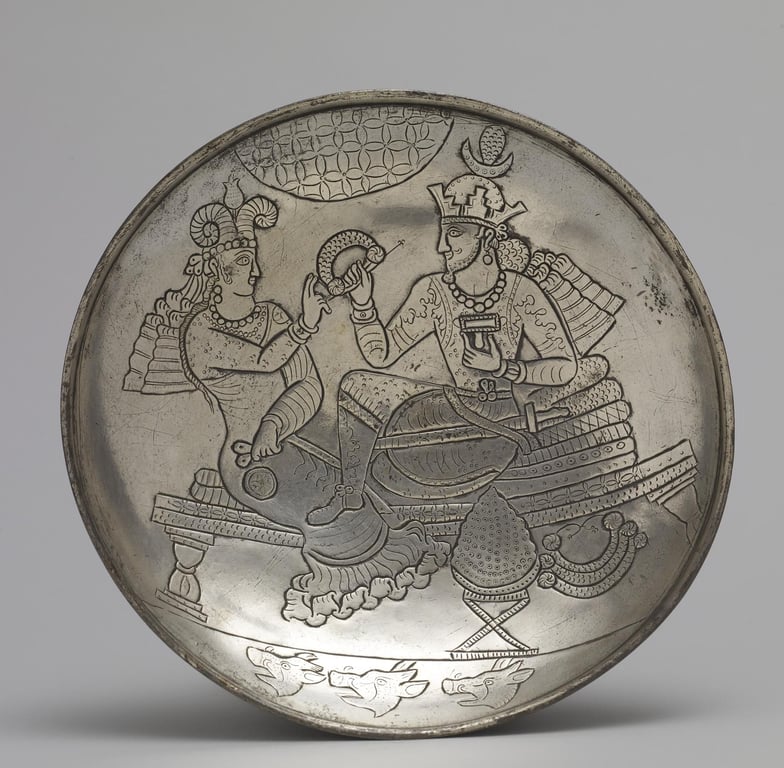
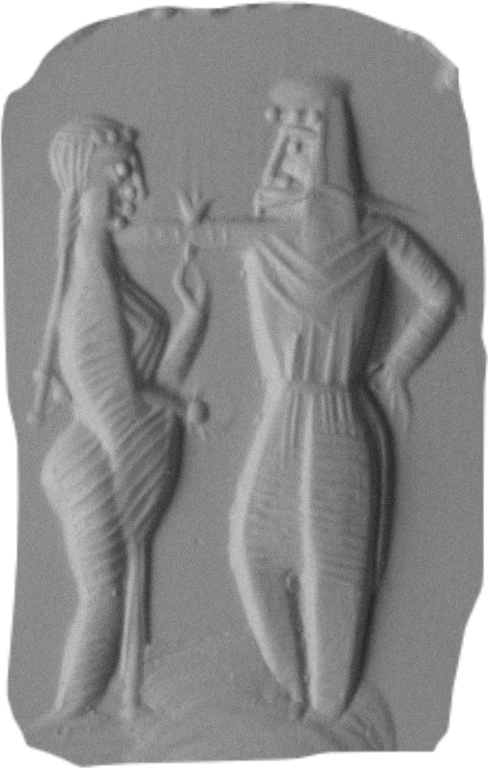
The Aryan marriage contracts provide some needed information about the legal position of the wife in the first millennium A.D.
1. We know by now marriage contracts in the Perso-Aryan world written in three different Aryan languages:
I. One comes from Bactria, is written in Bactrian, and dates back to the fourth century (Bact. A).
II. The other comes from noble backgrounds in Samarkand, is found on Mount Muγ, is written in Sogdian, and dates back to the early eighth century. It is indeed a marriage contract (Nov. 3) together with the accompanying guarantee letter (Nov. 4).
III. There are also two model marriage contracts compiled in Pārsīg, one in Persia, and the other in India, which reflect the actual practices of those of the Good Religion in the Sasanian times and after. In later times, the Parsis of Iran used another model contract marriage, called by them پدوند راینیداره (peyvann-rāyēnīdārīh). The Pāzand text is found in a number of manuscripts.
2. The word for “contract” is, in Pārsīg, pašt or peymān. In the Pārsīg document of Persia the term peymān ī zanīh is used to indicate the “marriage contract”. The Parsis of India use a model contract marriage, commonly known as āširvād paimān. The text of Āširvād is recited by two officiating priests. First, they ask questions from the father of the bridegroom, the father of the bride, and also from the couple (kadagxvadāy ud kenīg) —this is the part of the marriage contract. Then, the part of the priests' benediction starts.
In Sogdian, the “marriage contract/certificate” is called, vuδ-karnē, and in Bactrian, ολοβωστογο ˗these words confirm that Sogdian pōstē (or, karnē, or Bactrian πωστογο, or Persian peyvann-nāmag) in the legal sense of “marriage contract” should be in written form.
3. As we see from the three marriage contracts (except the model prenup of the Pārsīs of India), wedding in Ērānšahr was primarily a civil ceremony. The main purpose of the “marriage certificate” was to safeguard the rights of the spouses. Apart from the “contract”, marriage needed to be sanctioned by a religious ceremony in which some texts of benediction were recited. The tradition of blessing the new couple dates back to the Avesta —a “wedding song” is indeed found in the Gāθā (Y 53). The Aryan word for “benediction” is *āfriʜu̯ana- (Av. āfrivana- nt., Sogd. āfrivǝn, Parth. āfrīvan, Pers. āfrīn, Armen. օրհն /òrhn/). One text of benediction in Sogdian (found in Chinese Turkestān) reveals to be similar to the Āfrīn ī Vazurgān recited in wedding ceremonies of the Pārsīs. In general, the “civil” contract was preferably written, while the “religious” rite of benediction was often oral. The custom of written contracts was already well established among the various Perso-Aryans probably since the Achaemenian period.
4. The conclusion of a marriage agreement needed successive steps, the matrimonial suit, the conclusion of marriage, etc. The issues concerning matrimonial donation, dowry, divorce, inheritance rights should be concluded before the final act. They are parts of the family law in the Perso-Aryan world.
5. The future spouse, being in the company of his father or an old member of the family, presented himself as a petitioner to the girl's house, asking her guardian for her hand in marriage. There is a story about the wedding proposal of Zoroaster that can be regarded as a model:
abar xūbvizīnīh ī zan ārzōg ī xvēš ud kāmag-iz ī pidarān rāy; pēš az hān ī sazāgvindišnīh xvēš tōhmag nē gumixtan.
ēn-z pēdāg kū: ka-š pidar ōy rāy zan xvāst, Zardušt bē ō zan pehikārd kū-m rōy bē nimāyē [kū dā-š cihrag ud ēvēnag ud brahm, ēn-z kū-š cihrag hu-arzōg (/xvārum) ayāb nē, šnāsād].
u-š zan rōy aziš abar vašt.
ud Zardušt guft kū: «kē vēnišn az man abāz gīred, nē varzed hān ī man tarsagāhīh.»
— VZ 18
‘About: The right choice of a wife according to his own desire, and also the will of his parents; one should not mingle his seed before a proper finding.
This, too, is revealed (in the Avesta) that: When his father asked a wife in marriage for him, Zoroaster argued thus: “Show me your face!” [that is: so that he could check her appearance, fashion and form, whether her appearance is lovely or not].
But the woman turned away her face from him.
Then Zoroaster spoke thus: “whoever does not allow me to look at her, does not cultivate respect for me.”’
6. The request of the father bringing his son to the house of the bride is followed by the formula expressed by the father as well as by the son; in this way, the bride becomes “daughter-in-law” and at the same time “wife”, and the procedure is called, in Pārsīg, duxtagānīh (lit. ‘adoption as a daughter’) as well as zanīh (lit. ‘womanhood’). In the Pārsīg and Sogdian texts, the bridegroom addresses to the father (or, guardian) of the bride, and not directly to her. The solemn formula in the Bactrian document is a little different: The young man, without addressing the father or guardian of the girl, states that he takes the young woman like a spouse.
7. The Sogdian document contains stipulations referring to the dissolution of marriage by divorce. The contract grants a wife the right to take the initiative to demand divorce in the same way as the husband. The same document gives two separate clauses, one concerning divorce initiated by the husband and the other concerning divorce initiated by the wife.
8. According to the Sogdian document, the marriage was monogamous in the sense that the husband could not take a second legitimate wife. This stipulation did not exclude the possibility, for the man, of taking a concubine without the title of “legitimate” wife. On the other hand, the wife could refuse to allow him this possibility, claim a financial indemnity from him, and demand the ouster of the second wife or concubine.
9. The bride, after marriage, will become kadagbānūg, the mistress of the house, the mater familias. Pārsīg, Sogdian and Bactrian texts similarly call her “entitled” or “legitimate” wife: zan ī pādixšā, pātǝxšāvǝn vaδu, ϕινζο ϕρομανζο. This type of matrimony was with full matrimonial rights (matrimonium cum manu, Pers. zanīh ī pādixšāyīhā), i.e. the wife and the husband will inherit one another, the children are entitled to inherit their parent’s property, and the sons become legal successors of the father.
10. According to the Pārsīg text, in the cum manu marriage (pādixšāyīhā-zanīh) it is the husband’s duty to ensure his wife a decent and easy life. The bridegroom not only gives the bridegroom full right to an income, but he promises a gift from his property, half of it in advance in an undivided state, and half in cases of breakup of the marriage. The amount of the gift is subject to the approval of the bride. The Pārsīg word for this bridal gift is kābēn.
11. Another kind of matrimonial donation is dowry. The word for “dowry” is, in Bactrian, ναμαγγο. This word reflects Av. nāmǝni- f. ‘share’ from nam ‘to share, allocate’ (nǝmah- nt. ‘loan’) which is glossed by Pers. vāspuhragān pasdādagān/pasagān.
12. In Sogdian, the word for “wedding” is βaγānīpǝšǝkǝrtē (or, βaγānīšpǝktē). The first part of this word, βaγ-, means ‘lord; god’; and while βaγānīpǝš literally means ‘divine son’, however it denotes ‘bridegroom, son-in-law’ and corresponds with Pers. kadag-xvadāy. Then βaγānēpǝšǝkǝrtē has nothing to do with βaγ- < *baga- ‘god’, but merely means ‘bridegroom-making, wedding’, corresponding with Pers. kadagxvadāyīh or vayūdagān/vayūgān.
13. There is a special form of legitimate marriage called, in Pārsīg, . The first element in the word is not bay/ baγ ‘god’ but bi° ‘two°’, and the whole word should be read biyaspān, continuing old Aryan *bi-(h)aspāna-, cf. Pers. (h)asp- ‘to rest, sleep’. In this kind of marriage, the agreement was between two people only, the bride (without the consent of her guardian) and her lover (gādār). Another term for this kind of marriage is xvasrāyēnīh. It may be the reminiscent of an older tradition of marriage by self-choice, practised among the “warriors”, as we can find in Persian stories (there was an open competition in this kind of marriage and the girl selected the best).
< The explanations given here are extracted from Raham Asha’s Marriage Contract: Pārsīg (Pahlavi), Sogdian and Bactrian documents, Dushanbe, Academy of Sciences, Tehran, Shourafarin, 2020, ISBN 978-622-6657-90-7. To purchase, click here. >
peymān ī zanīh | Marriage Contract
There is a model marriage contract extant in Pārsīg. (the copyist has added the date 647 A.Y. (/ 1278 A.D.) of copying to it)
This text is a good example of the entitled-marriage contract of the Sasanian times, and its terminology is completely in line with that of the Zand of the Avesta.
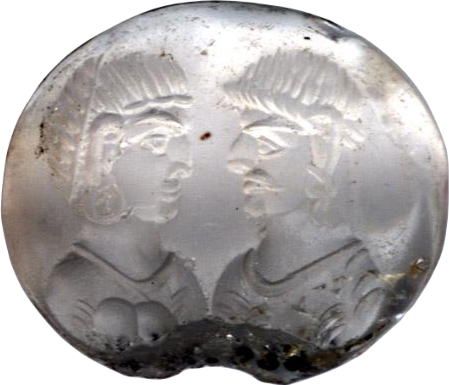
The Pārsīg Marriage Contract was contained in the Codex MK (copied in 1322). It was edited by Jamaspji Minocheherji Jamasp-Asana.
pārsīg
ped nām ī yazdān
(1) andar māh vahman ī sāl šaš-sad vīst-u-haft ī pas az sāl ī vīst ī ōy bay Yazdegird šāhān šāh šahriyārān, nab ī ōy bay Abarvēz Husrav šāhān šāh ī Ohrmazdān frāz nazdist rōz ī day-ped-mihr ka vāzag ī veh ped hanzaman madār būd hend ped pādixšāyīhā-zanīh grift ī mard-ē vahmān nām, vahmān ī vahmānān pus, vahmān rōstāg, vahmān deh māned, kenīzag-ē vahmān nām, vahmān ī vahmānān pādixšāyīhā-duxt, ham vahmān deh māned.
(2) u-š ēdōn mad ēsted ped sālārīh ī vahmān pid, cōn ka-š zanīh duxtagānīh ped rāh ī stūrīh ud ayōgēnīh ī kas pediš nē mad ēsted.
(3) ēdōn vahmān ī ped xvāst ud vindād ī az vahmān pid, hunsandīh ud hamdādestānīh ī ham vahmān, ham vahmān ped ahlavdād pādixšāyīhā-zanīh kird.
(4) ud ham vahmān ī vahmān pid, ham vahmān rāy ped ahlavdād pādixšāyīhā-zanīh ped si-gōbišnīh bē ō vahmān dād.
(5) ud ham vahmān aviš bē pedīrift.
ēdōn kū vahmān ēn-z pedīrift kū: zīndag dranā az zanīh ud ayōgēnīh ud framānburdārīh ud tarsagāhīh-varzīdārīh andar ham vahmān az ērīh ud vehdēnīh bē nē vardem.
(6) ud vahmān ēn-z guft kū: zīndag dranā ped zanīh grāmīg, ped kadagbānūgīh avestvār, ud ped xvarišn ud vastarg, nihuft ud peymuxt, ud šūyvarīh sālārīh tuvān-sāmān(ag)īhā ud āvām-pesazagīhā xūb ped āzarm dāram; ud frazend ī aziš zāyed ped pādixšāyīhā-frazendīh ī xvēš dāram.
(7) ud ka ēd xīr hamgōnag būd ham vahmān ham vahmān rāy ped vindišn pādixšāyīhā kird, ud pas az kird ī az peymān ham vahmān ī vahmān ham vahmān ī vahmān rāy veh sahist dōšīd si-hazār drahm ī asēmēn ī /šahrān-ravišn/; u-š ped guhrīg ī si-hazār drahm ī asēmēn ī /šahrān-ravišn/ veh-sahist mar az hāmōyēn xvāstag ī ō dārišn ud xvēšīh mad ēsted ī ped bē dādan pādixšāyīh būd.
«ud hān-z ī az nūn frāz ō dārišn ud xvēšīh rased ī ped bē dādan pādixšāyīh hum, ped do bahr ē bahr abaxt ō vahmān ī vahmān dād hum, ud ham vahmān ī vahmānān rāy abar ham māyag pādixšāy kird hum ēdōn kū harv ka vahmān ayāb kas az vahmān jādag rāy xvāstārīh kuned abēāhōgīhā (˟abēvahānagīhā) aviš abespārum, ud pediš spōz ud vistārīh nē kunum.»
(8) ud ham vahmān ī vahmān ēn māyag māyag ped guhrīg ī ēn si-hazār drahm bē-pāyandānīh pedīrift, ud pediš hamdādestān būd.
(9) ud ham vahmān ī vahmān pid jādaggōb aviš mad ēsted, ham vahmān ī vahmān pāyandānīh pedīrift ped freh nē pehikārd.
(10) ud ham vahmān ī vahmān ped cē ham dar abārīg cōn peymān ī zanīh būd kē xvēškārīh pursīd xvast ud vizust ud abar mad hum.
(11) ud ˟az hamdādestānīh ī vahmān ī vahmān [guft vahmān ī vahmān ud vahmān ī vahmān] ōn ēn dib az guft ud gōbišn ī hamdādestānīh ī ham vahmān ī vahmān ud vahmān ī ham vahmān rāy ham vahmān ī vahmān pid vahmān ī vahmān.
vābarīgānīh rāy ped gugāyīh ī ham:
vahmān ī vahmān,
ud vahmān ī vahmān,
ud vahmān ī vahmān.
ud vahmān ī vahmān,
ud vahmān ī vahmān.
frazaft.
English
In the name of the Yazata
(1) In the month Vahman of the year 627 after the year 20 of His (late) Majesty Yazdegird, king of kings, son of Šahriyār, grand-son of His (late) Majesty Abarvēz Husrō, king of kings, son of Ohrmazd, on the eve of the day Day-ped-Mihr, when the good people accompanying the wedding litters (or, the procession) have been coming into the assembly for the taking into pādixšā-wedlock (/in a cum manu marriage), by a man by the name of N1, son of N2 who is the son of N3, who inhabits the district T1, village T2, of a girl by the name of N4, the pādixšā-daughter (/from a cum manu marriage) of N5 son of N6, who inhabits the same village T2.
(2) And she thus has come into the guardianship of (N2) the father of N1, so that marriage or daughterhood has not come to her by way of the stūr-successorship or ayōgēn-successorship of someone else.
(3) Likewise, N1, by demanding and acquiring from (N5), the father of N4, with the pleasure and agreement of the said N4, took the said N4 into pādixšā-matrimony, for a just cause (/for pious purposes).
(4) And the said N5, father of N4, gave N4, for a just cause (/for pious purposes), in pādixšā-matrimony to N1, by a triple utterance (of the formula of declaration)
(5) And the said N1 accepted her (as a pādixšā-wife).
So N4 also accepted, (saying) this: “For my life’s span I shall not swerve from the marriage and (his) ayōgēn-successorship and from obedience and respectfulness towards the said N1, as well as from Aryan manner and practise of the good religion
(6) And N1 also said the following: “For my life’s span I shall hold her dear in marriage, shall establish her as mistress of the house, and shall keep her well and honoured with food, clothing, what she puts and wears, in my function as husband with (full) guardianship, to the extent of my affording (to do), as long as Time permits (me); and the children she bears I shall consider as my own pādixšā-children.”
(7) And since this matter was so accordingly, then the said N1 provided N4 with full right of disposal of the revenue. And after making this by agreement the said N1, son of N2, approved and sanctioned (formally) 3000 silver drachmae made in current money, but instead of the agreed 3000 silver drachmae made in current money that he approved he was authorized to give the (equivalent) amount from all the property that has come into his possession and ownership.
“And from now on of that also which shall come into my possession and ownership which I am entitled to give, I convey half (of it) in an undivided state to N4, daughter of N5; and I give the said N4, daughter of N5, the full right over the said stock, as whenever N4, or someone on N4's part, claims it for her sake, I shall hand it to her (or, to that person) flawless (or, without excuse) and make no delay or negligence over it.”
(8) The said N4, daughter of N5, accepted this stock instead of these 3000 drachmae as a guaranty, and was in agreement with it.
(9) The said N5, father of N4, came as her intercessor and accepted the guaranty of N1, son of N2, and did not further dispute about it.
(10) “I, N7, son of N8, whose legal function concerns the said subjects and the other (relevant matters) about the contract of marriage, have enquired, studied, investigated and concluded (them).”
(11) After the consensus statement of N1, son of N2, (and N4, daughter of N5, and N5, father of N4), this document (was drawn up) at the statement of consensus and on the assertion of agreement of the said N1, son of N2, and on behalf of N4, daughter of N5, the said N5 father of N4, (by) N7 son of N8.
For validation (this document is sealed by the following persons) as witnesses:
the said N, son of N
N, son of N
and N, son of N
N, son of N
and N, son of N
Finished.
peymān ī kadagxvadāyīh | Marriage Contact
The original Pārsīg text of the peymān (and the two following Āfrīn) is not extant. In the Zand of the Short Liturgies (Xvardag Abestāg) the Pārsīg text of the solemn promises and recitals of blessings at the marriage ceremony seems to be “an attempt” at reconstructing the original text based on a Pāzand version. The last copy of that text was made in the year 767 A.Y. (/ 1397-98 A.D.). We find a Pārsīg version (called by the Parsis Āširvād Paimānī) based on the original in a number of manuscripts of the Zand ī Xvarda Avesta. It was first edited, based on two manuscripts, by Dhabhar.
pārsīg
I
<xvānend harv do mubed:> yaθā ahū vairyō (do guftan).
dahād-atān dādār Ohrmazd frāyist frazendān nar ud nabēragān frāxrōzīh, dōstīh, dilīrīh, tōm-ud-cihr-ravāgīh, dagrzīvišnīh, pāyendag sad-u-panzāh sāl.
II
[ped] rōz vahmān māh vahmān sāl (abar) haftsad-u-šast-u-haft az šāhān šāh Yazdegird ī šahriyār Sāsān-tōhm, ped šahrestān hujastag vahmān, vehān ērān hanzaman jast ēsted.
<pursed mubed ō pidar ī kadagxvadāy:>
abar dād ud ēvēn ī dēn ī mazdesnān ped kadagxvadāyīh zanīh duxtdahišnīh <ēn kenīg> [agar duvum bār baved ēn zan] vahmān +nām ped peymān do hazār dēnār zarr nēšābūrīg pedīrift baved?
[gōbed pid ī kadagxvadāy: pedīrift bum.]
[pursed mubed ō hān ī kenīg kū:]
tū abāg xvēš dūdmān zanīh rāy hamdādestān, ped rāstmenišnīh, ped si-gōbišnīh, xvēš-kirbag-vaxšišnīh, vahmān rāy dā <frazām ī> zīndagīh peymān bē dahed?
[gōbed pid ī kenīg: peymān bē dahem.]
[ud pursed mubed ō harv do kadagxvadāy ud kenīg:]
<ašmā> dā <frazām ī> zīndagīh peymān ped rāstmenišnīh pesann kuned?
[gōbend harv do-šān: pesann kunēm.]
[xvānend harv do mubed:]
harv do-tān rāmišn abzōn bavād! [sē bār guftan]
III
ped nām ud ayyārīh ī Ohrmazd
hamēšag xvarrahumand bēd!
hujahišn bēd!
niyāyišnumand bēd!
pērōz-amāvand bēd!
ahlāyīh nām vaxšēndār bēd!
ped burzišn sazāgvār bēd!
menišn humat menād!
gōbišn hūxt gōbād!
kunišn huvaršt kunād!
harvisp dušmat <bē> dvārād!
harvisp dužūxt bē kāhād!
harvisp dušvaršt bē ˟nasēnād!
ahlāyīh stāyād!
jādūg nikōhād!
xvahād mazdesnīh!
ped bavendagmenišnīh kār varz!
az frārōnīh xvāstag handōz!
andar xvadāyān ēkānag rāstsoxan framāngār bāš!
andar ayyārān ērdan carb hucašm bāš!
spazgīh mā kun!
xēšmen(īg)īh mā bar!
nang rāy vināh mā kun!
āzkāmagīh mā bar!
bēš mā bar…!
arešk abārōn mā bar!
abarmenišnīh mā kun!
tarmenišnīh mā bar!
varanīgīh mā bar!
xvāstag ī kasān mā appar!
[ō kadagxvadāy:]
az zan ī kasān pahrixtār bāš!
[ō kenīg:
az šūy ī kasān pahrixtār bāš!]
az hutoxšāgīh ī xvēš xvar ud yazdān ud vehān rāy bahrvar kun!
abāg kēnvar mard nibard mā kun!
abāg āzvar hambāz mā bāš!
abāg spazg hamrāh mā bāš!
abāg dusrav peyvann mā kun!
abāg dušāgāh hamkār mā bāš!
abāg dušmenān ped dādestān kōš! abāg dōstān <ped> pesann ī dōstān rav!
abāg viyābān pehikār mā kun!
ped hanzaman bōxtguftār bāš!
pēš pādixšāyān peymānsoxan bāš!
az pidar nāmburdār bāš!
ped harv (×ēc) ēvēnag mād mā āzār!
xvēštan ped rāstīh bōxtag dār;
cōn Kay-Husrav ahōštan bēd!
cōn Kayus āgāhīhumand bēd!
cōn Xvaršēd rayumand bēd!
cōn Māh baxtār bēd!
cōn Zardušt nāmdār bēd!
cōn Rustahm zōrāvar bēd!
cōn Spendārmed zamīg badrār (/bardahišn) bēd!
cōn tan gyān abāg dōstān ud brādarān [ō kadagxvadāy] ud zan [ō kenīg: ud šūy] ud frazendān hu-dōstdār (/hudastyār) bēd!
hamēšag hudēn ī huxēm b(av)ēd!
Ohrmazd xvadāy šnāyēnēd! Zardušt rad stāyēd!
Ahrmen dēv abestāyēd!
IV
dahād dahišnīh Ohrmazd!
menišnīg-menīdārīh Vahman!
huguftārīh Ardevahišt!
hukirdārīh Šahrever!
purmenišnīh Spendārmed!
šīrēnīh ud carbīh Hurdād!
barumandīh Amurdād!
dahād dahišnīh dādār Ohrmazd!
rāy vaxšan Ādur!
pādyābīh Ardvīsūr!
šāhīg sarabrāzīh Xvaršēd!
Māh Gōzihr vaxšan!
Tīr rādīh ravāgīh!
Gōš pahrixtārīh veh!
dahād dahišnīh dādār Ohrmazd!
Mihr yazd hunišnīh!
Srōš framānpānāgīh!
Rašn rāstravišnīh!
nērōg ī rōyišnīh Fravardīn!
Vahrām pērōzīhhandāxtārīh!
Rām rāmišn xvāstar!
arvand tuvānīgīh Vād!
dahād dahišnīh dādār Ohrmazd!
Dēn dānišnabrōzīh!
xvarrahhandōzīh Aršišvang!
hunarhambārišnīh Aštād!
abēr toxšāgīh Asmān!
gāh-pāyendagīh (/gāh-pādagīh) Zamyād!
hunigerišnīh Mānsrspend!
pard (frayād??) Anērān!
V
vaŋhu tū tē vaŋhaot̰ vaŋ́hō buyāt̰ hvāvōya yat̰ zaoθre hanaeša tū tūm tat̰ mīždǝm yat̰ zaota hanayamnō ā̊ŋha frāyō.humatō frāyō.hūxtō frāyō.hvarštō
jamyāt̰ vō vaŋhaot̰ vaŋ́hō
mā vō jamyāt̰ akāt̰ aśyō
mā mē jamyāt̰ akāt̰ aśyō
ā airyə̄mā išyō rafǝδrāi jaṇtū
nǝrǝbyascā nāiribyascā zaraθuštrahē
vaŋhə̄uš rafǝδrāi manaŋhō yā daēnā vairīm hanāt̰ mīždǝm
aṣahyā yāsā aṣīm yąm išyąm ahurō masatā mazdā̊
ahmāi raēšca xvarǝnasca ahmāi tanvō drvatātǝm
ahmāi tanvō vazdvarǝ ahmāi tanvō vǝrǝθrǝm
ahmāi īštīm pouruš.xvāθrąm ahmāi āsnąmcit̰ frazaiṇtīm
ahmāi darǝγąm darǝγō.jītīm
ahmāi vahištǝm ahūm aṣaonąm raocaŋhǝm vīspō.xvāθrǝm
aθa jamyāt̰ yaθa āfrīnāmi
VI : āfrīn ī vazurgān
ped nām ī yazdān
āfrīn cōn pēšgāh ī xvadāy ped hukird būm ped Ērānšahr (vahmān).
kāmaghanzām bēd cōn Ohrmazd xvadāy ped dāmān ī xvēš!
farrox ud pahlum(dar) bēd cōn Kay-Husrav!
xūbmihr bēd cōn Mihr yazd!
dušmenzadār bēd cōn Zarēr!
hudīd(ag) bēd cōn Syāvaxš!
bāmīg bēd cōn Vēzan!
ahlav bēd cōn Guštāsp šāh!
zōrumand bēd cōn Sām ī Nerīmān!
āznāvar bēd cōn Rustahm!
nēzagvar bēd cōn Spendyād!
kundāg bēd cōn Jāmāsp bidaxš!
cēr ud abarvēz bēd cōn Ardā-Fravard!
rād bēd cōn Tištar!
carb bēd cōn Vārān!
vēnāg bēd cōn Xvaršēd!
vaskirbag bēd cōn Zardušt!
dagrzīvišn bēd cōn Zurvān pādixšāy!
barumand bēd cōn Spendārmed zamīg!
vaspeyvann bēd cōn rōd ī nāydāg!
vashambār bēd cōn zimestān!
huram bēd cōn vahār!
hubōy bēd cōn mušk!
abāyišnīg bēd cōn zarr!
ravāg bēd cōn dram!
kirdār bēd cōn Ohrmazd xvadāy ped dāmān ī xvēš!
ēn āfrīn ped ašmāh ēdōn bād cōn māh ud xvaršēd ud āb ud ādur ud may ud murd ud mušk ud jāsmin ud gul ud marzangōš.
[vahmān (kadag-xvadāy) rāy ud vahmān (kenīg) rāy] hazār sāl [zīndagīh bād] abāg bannagān ī xvēš.
mastīh kunēd ped xvarišn pāk, may xvaš, ud sprahm hubōy abāg zan [/šūy] ī xvēš.
niyūšāg (/nēk) nar ī ahlav frazend zāyed kē ērān dārād ud nām xvāhād (/barād) ud dušmen ōzanād ud dūdag abrōzād.
drūd
English
I [: Preliminary blessings]
<Two priests recite together> the sacred formula Ahunvar (twice).
May Ahura Mazdā the creator grant you, most of all, sons and grandsons, abundance of comforts and conveniences of life, friendship, courage, propagation of family and race, longevity that lasts for a hundred and fifty years.
II [: The Contract]
On the day such and such, of the month such and such in the year 767 (/1398 A.D.) of the king of kings Yazdegird, son of Šahriyār, a descendant of Sāsān, in the auspicious city such and such, an assembly of the Good Aryans was held.
[Questions to the parties]
<The (senior) priest asks the father of the bridegroom:>
Do you accept this maiden [if it be her second time, this woman] by name such and such, to be given in marriage, in accordance with the law and tradition of the Daēnā Māzdayasni, by the commitment (of paying) 2000 gold dēnāria of Nēšābūr?
[The father of the bridegroom replies: I give (a formal) promise!]
[The (senior) priest asks the father of the bride thus:]
Do you and your family, unanimously, wholeheartedly, by a triple utterance, and for the increase of your meritorious works, give promise of marriage up to the end (of her) life?
[The father of the bride replies: We give (a formal) promise!]
[The priest asks both the bridegroom and the bride thus:]
Do you, wholeheartedly, give your assent (to enter into) the contract (of marriage) up to the end of (your) life?
[Both of them reply: We give our assent.]
[Then both the priests recite:]
May the gaiety (/merriment) of ye both become progressively greater! [To be said three time]
III [: The admonition and benediction]
[Joint addresses by both the officiating priests:]
In the name and with the help of Ahura Mazdā
May you be ever fortunate!
May you be blessed with good luck!
May you be worthy of praise!
May you be victorious and strong!
May you increase Aṣa (‘truth; order’) and fame!
May you deserve esteem!
May (your) mind think well-thought thought!
May (your organ of) speech speak well-spoken word!
May (your power of) doing do well-done deed!
May all evil-thought thoughts get lost!
May all evil-spoken words dwindle!
May all evil-done deeds perish!
May righteousness be praised!
May sorcery be blamed!
May the Mazdeism (/the Mazdayasnian vision) be well-studied!
Do deeds with appropriate thinking (/with a perfect gesture of respect)!
Acquire wealth honestly (in a regular manner)!
Unto sovereigns (/lords), be loyal, and veracious and obedient!
Unto friends (/help-mates), be humble, and gentle, and benevolent!
Do not slander (anybody)!
Do not be filled with wrath!
Do not commit any sin through shame!
Do not be marked by greed (/Do not entertain a covetous desire)!
Do not experience sorrow (/Do not bear hostility to any one)!
Do not bear wrong (/immoral) envy!
Do not show an attitude of haughtiness (/ an attitude of superiority and contempt for people)!
Do not show contempt (for people)!
Do not commit lasciviousness!
Do not extort other person’s property!
[Addressing the bridegroom:]
Refrain (/Be an abstainer) from the wives of others!
[Addressing the bride:
Refrain from the husbands of others!]
Eat of your own genuine effort, and share it with the deities and the good!
Do not wrangle with a vindictive person!
Do not be a partner with a covetous man!
Do not be a travelling companion with a slanderer!
Do not form (any type of) relationship with an ill-famed man!
Do not be a co-worker with an ignorant person!
With enemies, struggle in harmony with the law!
With friends, proceed with the approval of friends!
Do not dispute with a person who goes astray!
At a meeting, be a convincing-speaker!
Before sovereigns, speak with measure!
Carry the name of your father!
Do not in any way torment your mother!
Preserve yourself (or, keep yourself safe) by means of truth!
Be an immortal person like Kavi Haosravah!
Be endowed with knowledge like Kavi Usan!
Be opulent (/brilliant) like Sun!
Be a distributor (of good gifts) like Moon!
Be illustrious like Zaraθuštra!
Be strong like Rustam (Raotastaxman)!
Be productive like the earth Spǝṇtā Ārmaiti!
Be good and friendly (/a good helper) towards your friends, brethren, [addressing the bridegroom:] wife, [addressing the bride: husband], and children, as the body is as regards the breathing soul!
Always be of good (Mazdayasnian) religion and of good ethos!
Acclaim (or, recognize) the (divine) lord Ahura Mazdā!
Praise the (divine) judge Zaraθuštra!
Refuse to praise the evil god Aŋra Mainyu!
IV [: Invocation of the divine entities]
May Ahura Mazdā grant the creation (of good creatures)!
Vohu Manah the thinking of (good) thoughts!
Aṣa Vahišta the utterance of good (words)!
Xšaθra Vairya the performance of good deeds!
Spǝṇtā Ārmaiti perfect-mindedness!
Haurvatāt sweetness (/the milk libation) and smoothness (/the fat libation)!
and Amǝrǝtatāt fruitfulness!
May Ahura Mazdā the creator grant the creation!
Ātar the growth of wealth!
Arǝdvī Sŭrā (Anāhitā) the ritual purity!
Hvarǝxšaēta the royal eminence!
Māh Gaociθra the growth (of plants)!
Tištrya the advancement of generosity!
[On the day] Gə̄uš (Urvan) abstention (from meat eating) is good!
May Ahura Mazdā the creator grant the creation!
The deity Miθra the pressing (of Haoma)!
Sraoša the maintaining of commands!
Rašnu the truthfulness (of judgements)!
[On the day of the holy] Fravaṣinąm the power of growth (in the world of life)!
Vǝrǝθraγna the preparation of victory!
Rāman the peace and good pasture!
Vāta the swiftness (of horses) and the strength (of men)!
May Ahura Mazdā the creator grant the creation!
Daēnā the enlightenment of knowledge!
Aṣiš Vaŋvhi the earning of fortune!
Arštāt the store of virtues!
Ašn (/Asman) the tremendous effort!
Ząm Huδā̊ŋhǝm the stability of places!
Mąθra Spǝṇta the good observation!
[On the day of] Anaγranąm [Raocaŋhąm] the ˟assistance!
V [: Avesta benedictions]
[Y 59.30] May (what is) good, (what is) better than good, be for you in person, you the libator (zaotar), with more good thoughts, with more good words, with more good deeds, may deserve the prize that the libator has deserved.
[Y 59.31] May (what is) better than good come to you.
May not (what is) worse than bad come to you.
May not (what is) worse than bad come to me.
[Y 54.1] Let Airyaman išya come to the support
of men and women, to the support of good thought of Zaraθuštra, by which his daēnā will deserve a desirable prize.
I ask for the išya reward of truth which Ahura Mazdā has conferred.
[Y 68.11] (Give) to him wealth and Fortune, to him health of the body,
to him firmness of the body, to him immunity of the body,
to him the possession that offers much comfort, to him offspring of his own,
to him long longevity,
to him the Best Existence of the Aṣavan, illustrious, with all comfort.
[Srōš Vāz 5. End of benedictions] May It come about so as I say the blessing.
VI : The Blessings of the Great Ones
In the name of the Yazata
Benediction text as one (should utter) before the Lord, benediction text (we recite) in (this) well-made country, in Ērānšahr, (in such and such a district/city).
Be ye successful like the lord Ahura Mazdā with regard to His creations!
Be ye fortunate and best (/the best of men) like Kavi Haosravah!
Be ye true to your covenant like Miθra the Yazata!
Be ye a smiter of enemies like Zairi.vairi!
Be ye handsome like Syāvaršan!
Be ye radiant like Vaijana!
Be ye saint (after death) like Vištāspa the king!
Be ye robust like Sāma of heroic heart!
Be ye noble like Raotastaxman!
Be ye a lancer like Spəņtōδāta!
Be ye a seer like the viceroy Jāmāspa!
Be ye triumphant and victorious like the Fravaṣi of the Truthful!
Be ye liberal like Tištrya!
Be ye mild like the rains!
Be ye clear like the sun!
Be ye of many meritorious deeds (in your stock) like Zaraθuštra!
Be ye long-lived like the sovereign Zruvan!
Be ye fertile like the earth Spəņtā Ārmaiti!
Be ye with many relatives like a deep (navigable) river!
Be ye rich in stores like winter!
Be ye merry like spring!
Be ye fragrant like musk!
Be ye desirable like gold!
Be ye current (in the world) like silver (coins)!
Be ye active (in ceremonial acts) like the Lord Ahura Mazdā for His own creations!
May these benedictions be unto you as Moon and Sun, water and fire, wine and myrtle, musk and jasmine, rose and marjoram!
Unto N1 (the bridegroom) and unto N4 (the bride) may there be a thousand years of life, together with your relatives!
May you be intoxicated through pure food, sweet wine, and sweet-smelling herb, with your wife (husband)!
May there be born a truthful man (/hero), who may protect Ērān, who may seek fame (/may be renowned), who may smite the enemies, and who may illuminate the family (/have offspring)!
Peace (/health).

 Made with Bullet